
Windows 11 Laptop with i3 Processor 15.6" Work Laptop for College Students
4.5Editor score
Intel Core i3 Processor
12GB RAM Capacity
15.6 Inch Display
Engineering students require reliable machines capable of handling complex simulations, coding environments, and design software without constant interruptions during critical study sessions.
This guide evaluates ten top models based on processor power, memory capacity, storage speed, and display clarity to ensure you select a device that supports your academic journey effectively.
Each pick highlights specific strengths and trade-offs to help you decide quickly while noting that specifications and availability may shift as technology evolves rapidly in the market.
4.5Editor score

4.6Editor score

4.3Editor score
As an Amazon Associate we earn from qualifying purchases.
The following table provides a side-by-side comparison of key specifications across all ten models to help you visualize differences in power, storage, and display options at a glance.


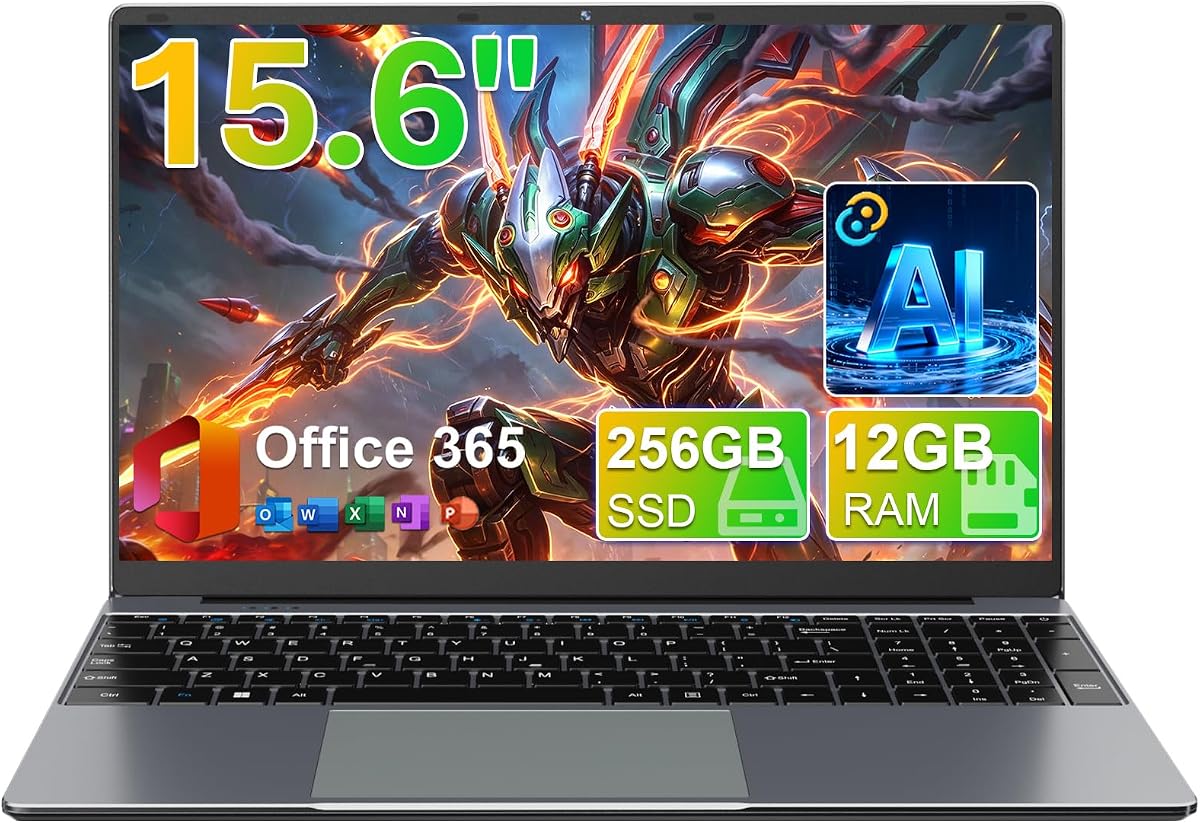


This laptop offers a solid starting point for students who need reliable performance without a hefty price tag. It handles everyday tasks efficiently and provides a good balance of features for academic work.
We may earn a commission when you buy through this link, at no additional cost to you.
The 12GB of RAM ensures smooth multitasking between browsers, document editors, and video streams. The 15.6-inch Full HD display delivers crisp visuals ideal for reading lectures or working on spreadsheets.
While the processor is sufficient for general use, it may struggle with heavy engineering simulations. However, for note-taking and research, it remains a dependable companion throughout the day.
Students on a tight budget who prioritize portability and basic functionality will find this model a practical choice for their freshman or sophomore year coursework.
The Intel Core i3 processor with 4 threads manages common apps smoothly.
At 3.6 lbs, it fits easily into backpacks for campus travel.
We may earn a commission when you buy through this link, at no additional cost to you.
This model stands out for its generous storage configuration paired with a docking station solution. It is ideal for students who accumulate large files and need immediate access to cloud-like storage locally.
We may earn a commission when you buy through this link, at no additional cost to you.
The 16GB RAM supports running multiple virtual machines or heavy web apps without slowdowns. Office 365 included for one year adds significant value for document creation and collaboration projects.
The display resolution is standard HD rather than Full HD, which limits detail in technical drawings. However, the compact size makes it easy to carry between classes and study groups.
Students needing extensive storage space for project archives and data sets will appreciate this unique configuration over standard internal drive limitations found elsewhere.
The docking station provides an extra 1TB for large engineering files.
Pre-installed Office 365 streamlines writing and presentation tasks.
We may earn a commission when you buy through this link, at no additional cost to you.
Engineered for students who move frequently between lecture halls and libraries, this laptop offers impressive battery endurance. It keeps you productive without hunting for power outlets across campus.
We may earn a commission when you buy through this link, at no additional cost to you.
The Intel N150 processor delivers reliable performance for web browsing and document editing. Copilot AI integration helps draft emails or summarize notes quickly, saving valuable study time.
Storage is limited to 128GB, so external drives are necessary for large software installations. Yet the fast UFS storage ensures quick boot times and responsive system interactions daily.
Students prioritizing battery life and portability over heavy processing power will find this laptop a consistent ally throughout demanding academic weeks.
Up to 11 hours of battery life supports full day use.
Built-in Copilot assistant aids in drafting and research tasks.
We may earn a commission when you buy through this link, at no additional cost to you.
This essential model provides a clean slate for students who rely on cloud storage and basic productivity apps. It focuses on core reliability and modern connectivity features for seamless integration.
We may earn a commission when you buy through this link, at no additional cost to you.
The micro-edge design maximizes screen space while maintaining a compact footprint. Wi-Fi 6 ensures stable connections in crowded lecture halls where bandwidth is often congested.
Four gigabytes of RAM is a limitation for heavy multitasking, requiring careful app management. However, it remains sufficient for focused study sessions without background distractions.
Students who want a dependable machine for online classes and simple writing tasks will appreciate its straightforward design and modern feature set.
Wi-Fi 6 and Bluetooth 5.4 ensure stable wireless connections.
Micro-edge bezels provide an immersive viewing experience.
We may earn a commission when you buy through this link, at no additional cost to you.
The 180-degree hinge allows you to lay the screen flat for easier screen sharing during group projects. This flexibility makes presentations and collaboration sessions significantly more straightforward to manage.
We may earn a commission when you buy through this link, at no additional cost to you.
With 12GB RAM and 256GB SSD, this model offers strong internal specs for its price class. The IPS panel ensures wide viewing angles which help when multiple people review code or diagrams.
The older Celeron processor may not handle complex rendering tasks well. Yet it manages word processing and web browsing with sufficient speed for most coursework needs.
Students involved in group work who need to share screens often will find this hinge feature a practical advantage for collaborative learning environments.
The 180-degree hinge facilitates easy screen sharing.
IPS display delivers accurate colors for visual tasks.
We may earn a commission when you buy through this link, at no additional cost to you.
Featuring a dedicated Copilot key, this laptop streamlines access to AI tools for quick summarization or drafting. It is designed to boost productivity for students managing heavy research loads.
We may earn a commission when you buy through this link, at no additional cost to you.
The Willow Green finish offers a stylish look that stands out on campus. It combines modern aesthetics with practical portability, fitting comfortably into backpacks without adding bulk.
With only 4GB of RAM, multitasking is restricted to a few applications at once. Users should rely on cloud services for storage to manage the internal drive limitations effectively.
Students who want modern AI features and a clean look without compromising on battery efficiency will find this model a strong contender.
Copilot AI key provides instant help for content creation.
Willow Green finish offers a unique and professional look.
We may earn a commission when you buy through this link, at no additional cost to you.
Privacy features like the camera shutter protect student data during online classes. This model balances security with practical storage needs for documents and media files.
We may earn a commission when you buy through this link, at no additional cost to you.
The Rose Gold finish adds a touch of elegance to the design. It appeals to students who want a device that looks professional yet distinct from standard corporate models.
Processing power remains entry-level for this price segment. While adequate for writing and browsing, it is not suited for heavy engineering software simulations or virtualization tasks.
Students who value privacy features and design aesthetics will appreciate this model as a secondary device or lightweight primary workhorse.
Camera shutter protects privacy during remote learning.
Rose Gold finish stands out in a professional setting.
We may earn a commission when you buy through this link, at no additional cost to you.
This laptop mirrors the features of similar models with a focus on portability and efficiency. It includes AI tools to assist with writing and research tasks daily.
We may earn a commission when you buy through this link, at no additional cost to you.
The design maintains a sleek profile suitable for travel. Battery life remains consistent, supporting long study sessions without immediate charging requirements.
Internal specs remain conservative for budget management. Users should supplement with cloud storage to manage file volumes without external drives constantly.
Students seeking a lightweight laptop for note-taking and browsing will find this model a reliable companion for daily campus life.
Copilot AI simplifies research and writing workflows.
Slim design makes it easy to carry everywhere.
We may earn a commission when you buy through this link, at no additional cost to you.
This Dell model brings superior eye comfort to long study sessions with built-in blue light reduction. It is ideal for students who spend hours reading code or documentation on screen.
We may earn a commission when you buy through this link, at no additional cost to you.
The Intel Core i5 processor handles complex tasks better than entry-level chips. It supports heavier multitasking and faster processing for engineering simulations and data analysis.
Onsite service support offers peace of mind for warranty issues. You do not need to ship the device away, which saves time during critical exam periods.
Students who prioritize visual comfort and service reliability will find this model worth the extra investment for academic longevity.
ComfortView software reduces blue light during extended use.
1 Year Onsite Service ensures quick hardware support.
We may earn a commission when you buy through this link, at no additional cost to you.
The expansive 17.3-inch display provides ample real estate for viewing multiple windows side by side. This is beneficial for complex spreadsheets or coding environments that require wide visibility.
We may earn a commission when you buy through this link, at no additional cost to you.
The AMD Ryzen 5 processor paired with 16GB RAM delivers robust performance for demanding applications. It handles virtual machines and heavy simulations more comfortably than budget alternatives.
Carrying this laptop is more cumbersome due to its size. It is best suited for a primary desk setup rather than frequent travel between classes.
Students who need a powerful stationary workstation for design and calculation tasks will find this large-screen model a capable tool.
17.3-inch display offers significant workspace for data.
Ryzen 5 processor handles complex engineering apps.
We may earn a commission when you buy through this link, at no additional cost to you.
Selecting the right laptop involves balancing processing power, screen size, and battery life to match specific coursework requirements.
Engineering software like CAD and simulation tools often requires multi-core processors. Look for Intel Core i5 or AMD Ryzen 5 options to ensure smooth operation during complex calculations.
Avoid entry-level processors if you plan to run virtual machines or heavy design software regularly.
Eight gigabytes is a good baseline, but 16GB provides future-proofing for multitasking. More RAM allows you to keep multiple tabs, IDEs, and reference docs open simultaneously.
Upgradeable RAM is a plus for extending the device lifespan through your degree program.
Solid State Drives (SSDs) are essential for fast boot times and efficient file access. Aim for at least 256GB to accommodate large software installations.
External drives can supplement storage if internal space is limited.
Screens between 15 and 17 inches offer enough room for technical drawings and dual-pane coding. Larger displays reduce eye strain during long study sessions.
Consider portability trade-offs if you frequently move between classrooms.
Aim for a device that lasts at least 8 hours on a single charge. This ensures you can work through lectures and study sessions without hunting for outlets.
Fast charging features add convenience for quick power-ups between classes.
Ports like USB-C, HDMI, and USB-A are crucial for connecting external monitors and peripherals. Check for Wi-Fi 6 support to maintain fast internet in crowded areas.
A full-size Ethernet port is rare but can be useful for stable lab connections.
Windows 11 offers broad compatibility with engineering software suites. Ensure the device supports the latest driver updates for smooth performance.
Consider software requirements from your department before purchasing.
Look for durable materials like aluminum or reinforced plastics. A sturdy chassis protects against drops and daily wear during travel.
Check warranty terms to cover accidental damage or hardware failures.
Keep the laptop on a hard surface to allow proper airflow and prevent overheating. Avoid using it on soft surfaces like beds or couches where vents may get blocked.
Install reputable antivirus software and keep your operating system updated. This protects your sensitive academic research from potential cyber threats.
Use a screen protector and keyboard cover to shield against dust and spills. These simple accessories extend the lifespan of your device during daily use.
While integrated graphics work for general tasks, a dedicated GPU helps with 3D modeling and rendering. Check your software requirements before buying to decide if a GPU is necessary.
Sixteen gigabytes is ideal for running virtual machines and heavy applications. Eight gigabytes may suffice for lighter coursework but can slow down multitasking.
Choose a larger screen if you work mostly at a desk for design tasks. Opt for portability if you frequently carry your laptop between classes or libraries.
MacBooks are great for software development but may lack native support for some engineering apps. Check if your department software runs on macOS before choosing.
Dim the screen brightness and close unused background apps to save power. Using a power saver mode during lectures helps stretch the battery further throughout the day.
Refurbished models offer savings but ensure they have warranty coverage. Check the physical condition carefully for any cosmetic damage before finalizing a purchase.
Choosing a laptop depends heavily on your specific coursework needs and budget constraints. Select a model that balances performance with portability to ensure academic success.
Prioritize specs like RAM and storage first since they determine your ability to run essential engineering software smoothly.
Prices fluctuate often so review current offers before buying to secure the best value for your investment.