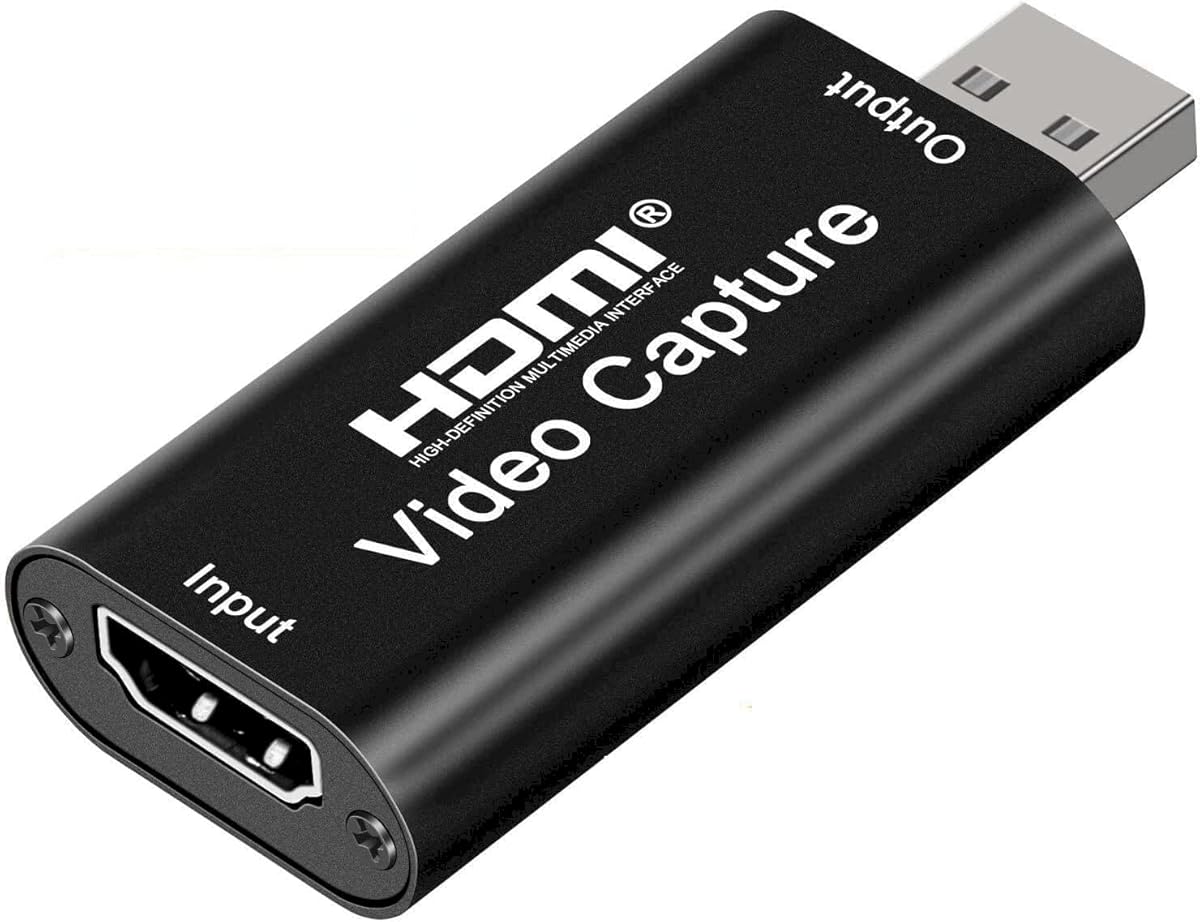
Audio Express AXHDCAP
4.4Editor score
Affordable Price Point
Plug And Play Setup
1080P Video Output
This guide compares the top HDMI to USB Capture Device models for streaming and recording, evaluating performance, compatibility, and features for creators in
Finding the right HDMI to USB Capture Device is essential for content creators who want to stream high-quality video from consoles or cameras directly to their computers. These devices convert HDMI signals into USB data, allowing seamless integration with popular streaming software and recording tools without needing expensive hardware setups.
We evaluated ten leading models based on resolution support, latency, build quality, and ease of use. Our analysis focused on real-world performance during gaming streams and video calls, ensuring each pick delivers reliable results whether you are a beginner or a seasoned professional looking to upgrade your workflow.
Each pick highlights specific strengths like budget friendliness or premium features to help you choose quickly. Prices and availability change frequently, so always verify the current deal before purchasing. This list aims to simplify your decision by focusing on the most impactful specs for your needs.
4.4Editor score
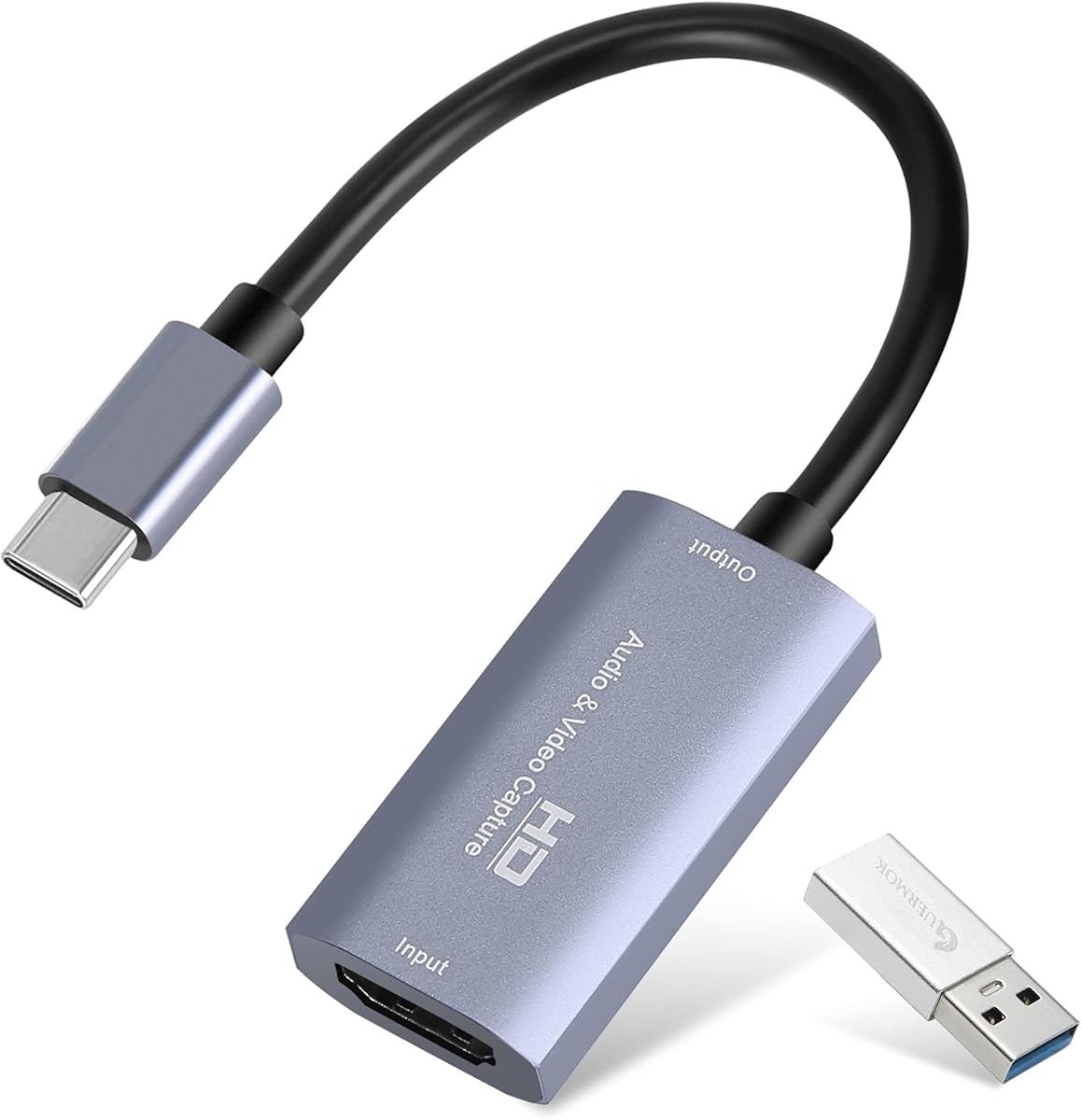
4.4Editor score

4.7Editor score
The following table provides a side-by-side comparison of all ten products to help you identify key differences in specs and features at a glance.



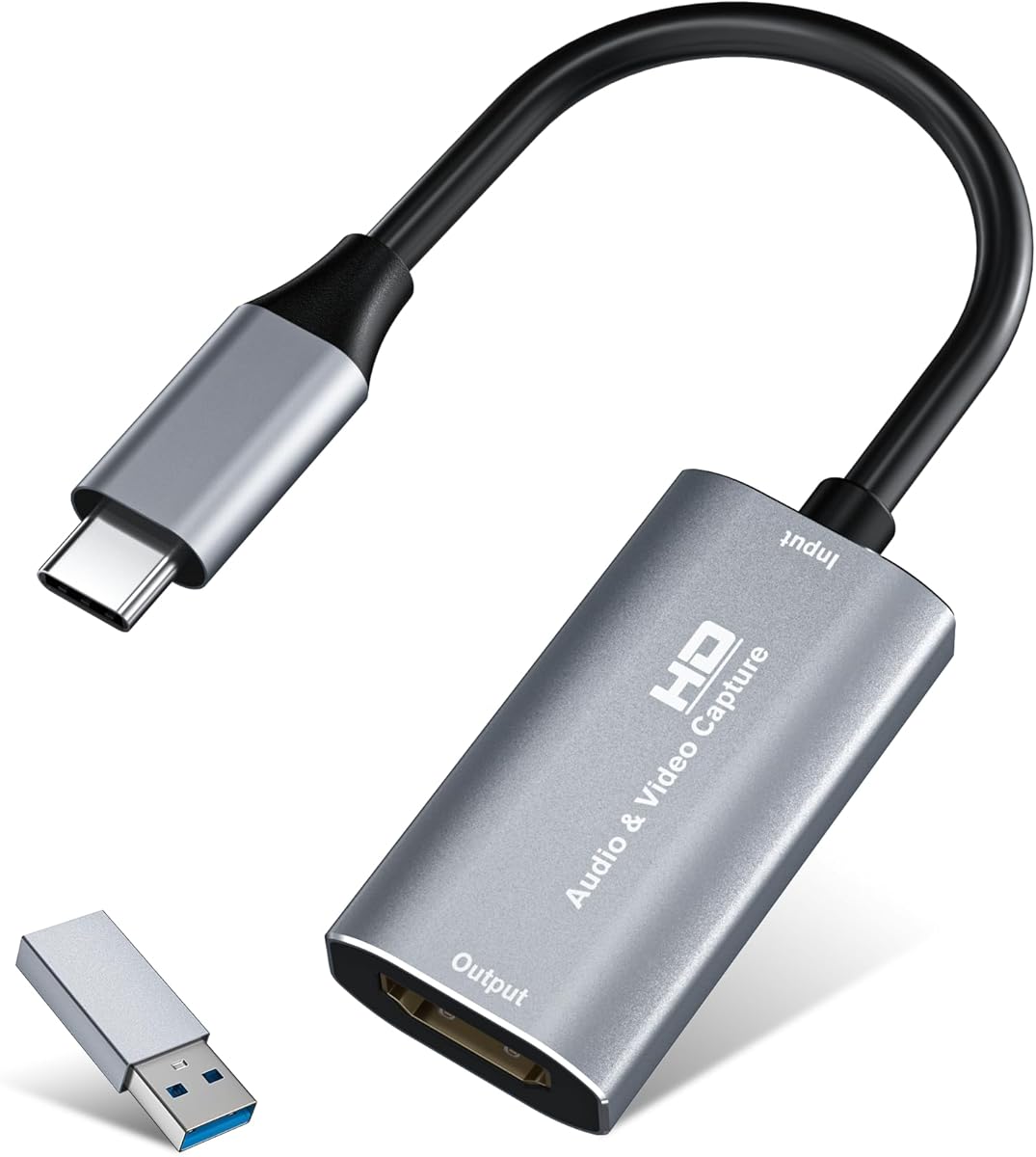


The Guermok Video Capture Card stands out for its balanced performance and affordability. With a solid 4.4 rating from users, it delivers smooth 1080P 60FPS streaming suitable for most gamers and content creators seeking reliable quality without breaking the bank.
We may earn a commission when you buy through this link, at no additional cost to you.
Its USB 3.0 interface ensures high-speed data transfer, minimizing lag during live broadcasts. The aluminum alloy casing helps dissipate heat effectively, allowing for stable operation even during extended sessions. Compatibility spans Windows, Mac, Linux, and Android, making it versatile for various setups.
While it supports 4K input, the output maxes out at 1080P 60FPS or 2K 30FPS, which is standard for this price range. Users should note that it requires capture software like OBS to function and does not support direct screen casting to a monitor without such tools.
This device is ideal for streamers who need plug-and-play convenience without sacrificing video quality. Whether you are broadcasting gameplay from a console or recording a DSLR camera, the Guermok offers a dependable entry point into professional-quality streaming.
The low latency design ensures your reactions sync perfectly with on-screen action, crucial for competitive gaming streams.
Dual USB Type-C and standard USB interfaces allow connection to modern laptops and older desktops alike.
We may earn a commission when you buy through this link, at no additional cost to you.
The acer Video Capture Card offers a robust solution for streaming needs with its support for 1080P 60FPS and 2K 30FPS. Users appreciate its plug-and-play nature, which eliminates the hassle of driver installations while maintaining high-quality output for various platforms.
We may earn a commission when you buy through this link, at no additional cost to you.
Equipped with a USB 3.0 interface, this device ensures sufficient bandwidth for lag-free HD capture. The aluminum casing aids in thermal management, preventing overheating during prolonged use. It works seamlessly with consoles like PS5 and Switch, as well as modern tablets and laptops.
Although it supports a wide range of operating systems including Windows and macOS, some users have noted occasional recognition issues when using adapters. Ensuring a direct connection to a USB 3.0 port is recommended to avoid bandwidth limitations that could affect video quality.
This capture card is a strong choice for educators and casual streamers who need a straightforward tool for video conferencing or content creation. Its compatibility with major platforms like Twitch and YouTube makes it a versatile addition to any setup.
Support for diverse OS including iPadOS allows creators to stream directly from tablets without extra hardware.
High-speed USB 3.0 connection minimizes latency and ensures fluid video playback during live broadcasts.
We may earn a commission when you buy through this link, at no additional cost to you.
The Magewell USB Capture HDMI Gen 2 sets the gold standard for professional video capture needs. With a high 4.7 rating, this device excels in reliability and performance, making it a favorite for broadcast environments and enterprise applications where downtime is not an option.
We may earn a commission when you buy through this link, at no additional cost to you.
Its FPGA-based video processing handles tasks like cropping and scaling on-device, reducing CPU load on your computer. The device is built for continuous 24/7 operation with robust thermal protection and a durable design. This engineering ensures consistent output quality over time.
While the price is higher than consumer options, the included utility control allows for deep customization of EDID and resolution settings. The 3-year warranty provides peace of mind for businesses investing in long-term streaming infrastructure. It connects via USB 3.1 Gen 1 for high-speed transfer.
This device is best suited for professionals who require stable, high-fidelity capture without compromising system resources. If you need a reliable workhorse for daily broadcasts or critical recording sessions, the Magewell offers unmatched value and performance in its class.
Designed for continuous use, this card includes thermal protection and status LEDs for monitoring system health.
On-device processing offloads video tasks from your main processor, freeing up resources for other applications.
We may earn a commission when you buy through this link, at no additional cost to you.
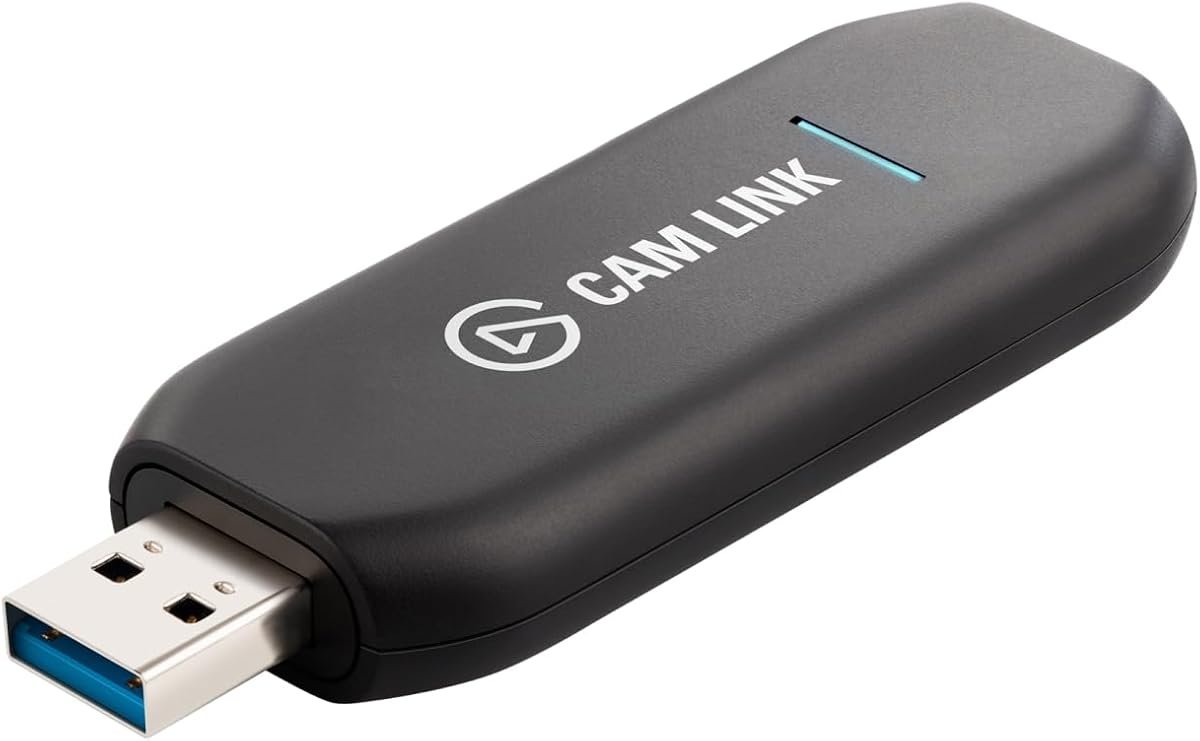
The Elgato Cam Link 4K is designed to transform your DSLR or mirrorless camera into a high-definition webcam. With support for 4K60 streaming, it delivers razor-sharp detail that surpasses standard webcams, making it perfect for professional presentations and creative content.
We may earn a commission when you buy through this link, at no additional cost to you.
Its ultra-low latency ensures that your video and audio remain perfectly in sync, which is crucial for live interaction. The device also allows you to use an iPad as a field monitor, giving you real-time previews of your shots during recording. This flexibility is rare at this price point.
While it excels at connecting cameras, it does not include an HDMI loop-out for monitoring on a secondary screen without extra adapters. Additionally, to get the best results, you must use a camera capable of outputting 4K signals. Setup is straightforward with plug-and-play functionality.
This capture card is the top choice for videographers and streamers who want cinema-quality visuals without investing in complex broadcasting gear. Whether you are teaching online or broadcasting a live event, the Cam Link 4K ensures your image quality remains professional throughout.
Utilizing a DSLR ensures better depth of field and low light performance compared to standard webcams.
Real-time preview on iPad allows creators to adjust framing and focus before going live.
We may earn a commission when you buy through this link, at no additional cost to you.
The UGREEN 2K Video Capture Card offers a strong balance between clarity and compatibility. By supporting 4K input and 2K output, it preserves original video quality for post-production while ensuring smooth streaming performance. Users report reliable connectivity with both USB-A and USB-C ports.
We may earn a commission when you buy through this link, at no additional cost to you.
Its USB 3.0 technology ensures a transfer speed of 5Gbps, reducing delay during live streams. The aluminum alloy casing effectively shields against electromagnetic interference, enhancing signal stability. It works well with major platforms like Twitch and OBS, and even supports iPad streaming with recent updates.
One limitation is that some devices like the Switch require HDCP mode to be turned off for the signal to pass through correctly. Additionally, iPad users must ensure their device is updated to OS 17 or higher for USB-C compatibility. These are minor caveats for such a versatile device.
This capture card is an excellent choice for hybrid streamers who switch between PC streaming and mobile setups. Whether you are broadcasting console gameplay or recording camera footage, the UGREEN delivers stable performance across multiple scenarios with durable construction.
High input resolution preserves original video detail, allowing for better editing choices after recording.
The aluminum casing shields internal components from interference, ensuring a clean signal during transmission.
We may earn a commission when you buy through this link, at no additional cost to you.
This 4K HDMI Capture Card stands out for its ability to support commentary directly through a built-in microphone input. With a 4.3 rating, it is a solid option for gamers who want to add voice commentary without needing a separate audio interface on their PC.
We may earn a commission when you buy through this link, at no additional cost to you.
The HDMI loop-out feature ensures that when you play a game, there is no delay on your monitor, allowing for a smooth experience while you stream. It auto-detects input sources and adjusts output automatically, making setup incredibly simple for beginners using Windows or Mac.
While it supports high-quality 1080P output, it does not support 4K output resolutions. The microphone input is limited to standard 3.5mm TRS headsets, which may not accommodate professional microphones without adapters. Users should check their hardware compatibility before purchasing.
This device is ideal for casual streamers who prioritize ease of use and commentary integration. Whether you are playing on a PS5 or Xbox, the capture card handles the signal processing efficiently, allowing you to focus on your gameplay and audience interaction.
The mic-in port simplifies your setup by combining video and audio capture in one single USB connection.
HDMI loop-out ensures your monitor displays the game in real time, even while streaming to Twitch.
We may earn a commission when you buy through this link, at no additional cost to you.
The Audio Express AXHDCAP is an excellent budget-friendly option for users who do not need high-frame-rate output. With a solid 4.4 rating, it offers reliable performance for standard video conferencing and casual recording. It captures 4K input but outputs at 1080P 30Hz.
We may earn a commission when you buy through this link, at no additional cost to you.
Its USB 2.0 interface makes it compatible with older ports where USB 3.0 is not available, though it may limit data speed. The device features advanced thermal dissipation to prevent overheating during extended use. Setup is simple with no drivers required for Windows or Mac users.
Users should note that because it operates on USB 2.0, it may not support high-resolution formats beyond 1080P at 30fps. This limitation makes it less suitable for competitive gaming but perfect for educational videos or standard streaming needs where frame rate is less critical.
This capture card is the best budget choice for students and teachers needing a reliable way to capture content. If you need a tool that gets the job done without a steep price tag, the AXHDCAP offers value and simplicity for everyday use cases.
Priced lower than most competitors, it provides essential capture features without unnecessary premium costs.
Works with common tools like OBS and Zoom, making it accessible for users of different skill levels.
We may earn a commission when you buy through this link, at no additional cost to you.
The Silver Video Capture Card is designed for on-the-go creators who need a lightweight solution for recording. It supports up to 4K input and records at 2K or 1080P 60FPS, ensuring high-quality visuals for mobile streaming setups. The aluminum shell keeps it cool during operation.
We may earn a commission when you buy through this link, at no additional cost to you.
Its ultra-low latency chipset ensures smooth transmission for live broadcasts on platforms like Twitch. The device supports dual-channel audio capture in real time, which is beneficial for maintaining sound quality alongside video. It works seamlessly with most Windows and macOS systems without extra drivers.
When using tablets, you must enable the OTG function in settings to allow the device to draw power and data. It is also recommended to test your HDMI source with a monitor first to confirm signal output. These small steps ensure a smooth workflow during outdoor streaming sessions.
This capture card is perfect for travelers and field reporters who need professional results without carrying heavy equipment. Its portability and high-quality output make it a versatile tool for anyone who needs to capture content in dynamic environments.
Capturing dual-channel audio helps maintain clarity for both game sound and voice commentary streams.
Small form factor fits easily in a bag, making it ideal for emergency outdoor streaming or live shows.
We may earn a commission when you buy through this link, at no additional cost to you.
The acer USB 3.0 HDMI Capture Card is a strong contender for streamers needing reliable color accuracy. It uses YUY2 technology to deliver richer colors than MJPEG, resulting in more lifelike video during broadcasts. With a 4.5 rating, it is well-regarded for its consistency and ease of use.
We may earn a commission when you buy through this link, at no additional cost to you.
Its built-in microphone input allows for easy commentary without extra adapters, which saves time for casual gamers and educators. The HDMI loop-out ensures that you can monitor your gameplay with zero latency while streaming. It supports a wide range of devices including Switch and PS5.
While the mic-in feature is convenient, it accepts standard 3.5mm devices which may limit professional audio setups. Additionally, the loop-out is dependent on the USB 3.0 connection for stability. Users should ensure their system meets the requirements for smooth operation.
This device is a practical choice for creators who need quick setup and reliable performance. Whether you are hosting online classes or streaming video games, the acer capture card provides the tools needed for high-quality production without complex configurations.
YUY2 technology ensures that video streams display true-to-life colors without compression artifacts.
Direct mic-in support allows for immediate commentary syncing without needing an external audio interface.
We may earn a commission when you buy through this link, at no additional cost to you.
The UGREEN 4K Loop Out HDMI Capture Card provides advanced monitoring capabilities for professional setups. It supports 4K loop-out for real-time preview, ensuring that you can watch your feed without latency. With a 4.4 rating, it is valued for its stability and high bandwidth management.
We may earn a commission when you buy through this link, at no additional cost to you.
Its dual USB interface design allows connection via USB-A or USB-C, offering flexibility for different laptops and tablets. The device supports both MJPEG and YUY2 formats, giving users the choice between efficiency and clarity. This adaptability makes it suitable for both casual and professional scenarios.
One notable limitation is that it is not compatible with Fire TV Stick, which restricts use for some streaming box owners. Windows 7 users may also need to install specific drivers for USB 3.0. However, these issues do not affect the performance on modern systems.
This capture card is an excellent choice for users who need to monitor their stream while broadcasting. Whether you are recording gameplay or teaching a class, the loop-out feature allows you to see exactly what your audience sees in real time.
Local loop-out ensures instant reaction capability and real-time preview of your broadcast content.
Support for MJPEG and YUY2 allows users to select the best compression method for their bandwidth.
We may earn a commission when you buy through this link, at no additional cost to you.
Selecting the right HDMI to USB Capture Device requires understanding your specific needs for resolution, latency, and connectivity options.
Most budget options support 1080P at 60FPS, which is sufficient for gaming and streaming. However, premium models may offer 2K or 4K input capabilities which are useful for post-production editing even if output is limited.
Always check the output resolution specs to ensure they match your streaming platform requirements. If you need high clarity for tutorials, prioritize devices with higher frame rate support.
USB 3.0 provides the necessary bandwidth for high-definition capture. Older USB 2.0 ports may work for lower resolutions but can introduce latency or frame drops during high-resolution recording.
Ensure your computer has a USB 3.0 port available. Some devices come with adapters for USB-C, but verify if the data path remains USB 3.0 to avoid bottlenecks.
Latency is crucial for live gaming where split-second reactions matter. Devices with dedicated hardware processing or low-latency chipsets are preferred over generic solutions that rely heavily on CPU decoding.
Look for terms like ultra-low latency in the product description. This ensures your video syncs correctly with your gameplay without noticeable delays.
Some capture cards include a microphone input port, allowing you to add commentary directly. This eliminates the need for separate audio interfaces and simplifies your setup for streaming.
If you plan to use an external microphone, check if the device supports 3.5mm TRS jacks. Otherwise, ensure your capture software can handle separate audio sources.
Ideally, a capture device should work with your operating system without needing custom drivers. This feature saves time during setup and reduces potential software conflicts.
Verify compatibility with Windows, macOS, and Linux if you switch between systems. Most modern devices support UVC standards which make them compatible with most systems.
Streamers often run captures for hours, so effective heat management is essential. Aluminum alloy casings are common and help dissipate heat better than plastic.
A durable build ensures longevity. Look for devices with solid connections and reinforced ports to prevent damage from frequent plugging and unplugging.
HDMI loop-out allows you to connect your monitor directly to the capture card for zero-latency viewing. This is vital if you want to play without a delay on your screen.
Not all devices have this feature. If you use an external display for your game, prioritize a card that includes a dedicated loop-out HDMI port.
Your capture card must work seamlessly with software like OBS or XSplit. Ensure the device is recognized by these applications without extra configuration steps.
Check user reviews for any specific software quirks. Reliable devices should be recognized instantly when plugged into a computer.
Start by connecting your HDMI source such as a console or camera to the input port on the capture card. Then connect the USB end to your computer and ensure the system recognizes it as a video source automatically.
Open your preferred streaming software and select the capture card as the video input device. Adjust the resolution settings in the software to match the capabilities of the card for optimal quality.
To maintain performance, ensure the device has adequate airflow to prevent overheating during long sessions. If you experience signal loss, check the cable connections and restart the software to refresh the device detection.
Most modern HDMI to USB Capture Devices are plug-and-play and do not require manual driver installation. They are recognized automatically by Windows and macOS. However, older systems like Windows 7 may need specific drivers for USB 3.0 ports to function correctly.
Yes, most capture cards work with laptops as long as they have a USB 3.0 port. Some models offer USB-C adapters for modern thin laptops. Ensure your laptop has enough power and cooling to handle the video encoding workload.
Lag often occurs if the USB port is USB 2.0 instead of USB 3.0. Additionally, using low-performance cables or running multiple heavy applications can cause drops. Check your system specs and ensure a direct connection to a high-speed port.
Many budget models support 4K input but only output up to 1080P or 2K. If you need 4K output, check the specs carefully. Most consumer devices in this category cap output at 1080P 60FPS for compatibility.
Yes, many cards support audio capture over HDMI or include a separate microphone input. Ensure your software settings are configured to capture audio from the USB device or external mic for a complete experience.
Yes, most capture cards work with PS5 and Xbox consoles. However, you may need to disable HDCP in the console settings to allow the video signal to pass through the capture card without issues.
Yes, using an HDMI cable from your DSLR to the capture card allows you to use the camera as a webcam. Ensure your camera supports clean HDMI output to avoid on-screen displays appearing in the stream.
HDMI loop-out allows you to send the video signal to your monitor without delay. This is essential for gamers who need to see their game in real time while the capture card records and streams the footage.
We have reviewed ten diverse options ranging from budget-friendly models to professional-grade hardware. The top picks offer distinct advantages depending on your specific use case and budget constraints.
Prioritize low latency and USB 3.0 support to ensure smooth streaming. If you need advanced monitoring features, look for loop-out capabilities. For high-end needs, professional brands offer better long-term reliability.
Prices for these devices fluctuate based on demand and availability. Check current deals before purchasing to ensure you get the best value. Always verify compatibility with your setup to avoid unnecessary returns.