
EVISTR 64GB Digital Voice Recorder
4.2Editor score
Voice activated recording
Large internal memory
USB Type C charging
This guide compares the top ten handheld recorders for journalists evaluating audio quality ease of use and battery life for field reporting needs.
Journalists need reliable tools to capture clear audio in any environment. A good handheld recorder ensures interviews and soundscapes are recorded with precision without distortion even in noisy settings.
We evaluated ten models based on microphone quality recording formats and battery life. Each product offers distinct features suited for different reporting styles and budget constraints found in the field.
This list shows key strengths and weaknesses to help you choose wisely. Prices and availability change frequently so verify details on the retailer page before making a final purchasing decision.
4.2Editor score

4.7Editor score
4.2Editor score
The following table provides a side-by-side comparison of all ten products to help you quickly identify the best fit for your reporting requirements and technical needs.




The Zoom H5 stands out as a versatile tool for journalists requiring high fidelity recordings. With a rating of 4.7 stars users praise its ability to handle complex audio environments effectively.
We may earn a commission when you buy through this link, at no additional cost to you.
Its interchangeable capsule system allows you to swap microphones depending on the scene. This flexibility ensures optimal sound capture whether you are recording a quiet interview or a busy street.
The four-track simultaneous recording feature lets you layer audio sources without compromising quality. However, the device is slightly heavier than compact options which might matter during long shifts.
Professional reporters who need reliable and adaptable audio tools will find this recorder invaluable. It balances performance and usability to deliver consistent results in the field.
You can change the capsule to match the acoustics of any location ensuring clean audio every time.
Recording multiple tracks allows for detailed post-processing and greater control over the final audio mix.
We may earn a commission when you buy through this link, at no additional cost to you.
The EVISTR recorder offers impressive value for journalists on a tight budget. With a rating of 4.2 stars it delivers clear audio quality without breaking the bank for entry-level users.
We may earn a commission when you buy through this link, at no additional cost to you.
Its 64GB internal memory can store thousands of hours of recordings ensuring you never run out of space during long assignments. Voice activation helps save battery by recording only when sound is detected.
While it lacks advanced external inputs the PCM noise reduction technology ensures clean voice capture. The trade-off is a simpler design that may not suit every professional studio setting.
This device is ideal for reporters needing a reliable backup recorder or those just starting out. It provides essential features at a fraction of the cost of premium competitors.
With 64GB capacity you can record for weeks without needing to offload files to a computer.
The recorder starts and stops automatically based on sound levels saving storage and battery life.
We may earn a commission when you buy through this link, at no additional cost to you.
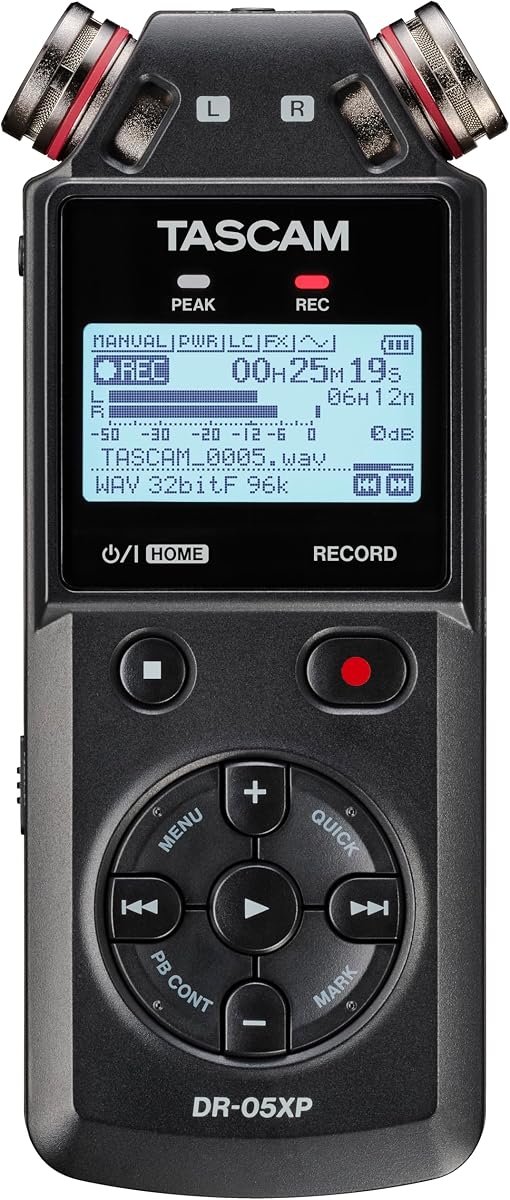
The TASCAM DR-05XP is a top-tier choice for journalists prioritizing audio fidelity. It features 32-bit float recording which prevents clipping even during unexpected loud noises in chaotic environments.
We may earn a commission when you buy through this link, at no additional cost to you.
With an internal battery life of up to 17.5 hours it supports long field sessions without constant recharging. The omnidirectional microphones handle loud environments effectively up to 125dB SPL.
Connecting to a computer via USB-C allows it to function as an audio interface for streaming or editing. While the price is higher the reliability and sound quality justify the investment for serious users.
Reporters who need to ensure no audio is lost should choose this premium model. It delivers consistent performance and peace of mind during critical reporting moments.
This technology ensures you never clip your recording so you can adjust levels later without distortion.
Connect directly to your laptop via USB-C to use it as a high-quality microphone for calls.
We may earn a commission when you buy through this link, at no additional cost to you.
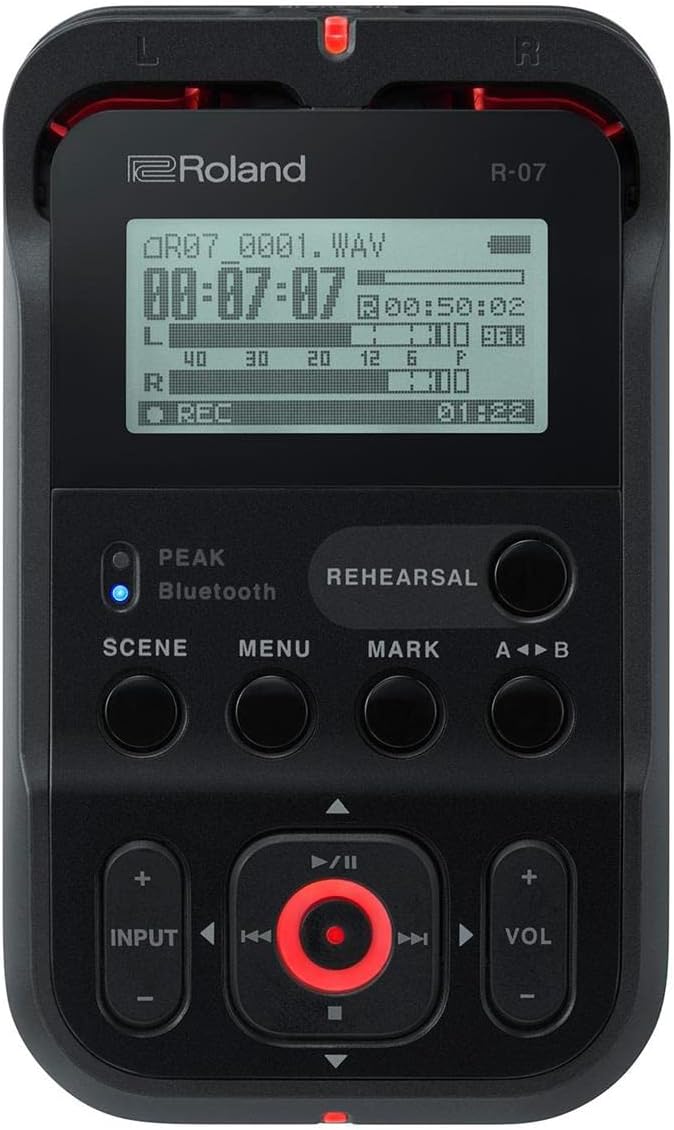
The Roland R-07 offers high-resolution audio in a compact form factor. With a 4.2 rating it is popular for its ease of use and wireless capabilities for field monitoring.
We may earn a commission when you buy through this link, at no additional cost to you.
You can control playback and settings via Bluetooth from your smartphone which adds convenience during remote work. The integrated stereo microphones deliver excellent quality for interviews and ambient sound.
Recording templates help you set up quickly for different scenarios. However, the lack of external inputs limits its use compared to more modular recorders in the list.
This recorder is suitable for journalists needing a lightweight solution for quick audio capture. It balances portability with solid performance for standard field reporting tasks.
Use Bluetooth to listen to recordings on your device without needing headphones plugged in.
One-touch templates let you configure the recorder for specific environments instantly.
We may earn a commission when you buy through this link, at no additional cost to you.
The Tonfarb recorder focuses on simplicity and storage capacity. It features a one-click record button that ensures you never miss a moment during fast-moving interviews or events.
We may earn a commission when you buy through this link, at no additional cost to you.
With a large 1.44-inch screen and password protection your files are easy to manage and secure. The battery supports up to 48 hours of continuous use for extended assignments.
PCM recording provides clear sound for basic needs but it lacks advanced audio engineering features. This makes it a solid option for general documentation rather than professional broadcast work.
Journalists looking for a straightforward tool to capture notes and voices will appreciate its reliability. It is user-friendly and gets the job done without unnecessary complexity.
Password protection ensures sensitive interview data remains private and accessible only to you.
The extended battery life means you can record all day without carrying spare power sources.
We may earn a commission when you buy through this link, at no additional cost to you.
The Tascam DR-40 is a known quantity among content creators. Its 4-track capabilities allow for layered recordings that can be edited down later for complex storytelling projects.
We may earn a commission when you buy through this link, at no additional cost to you.
The device is compact and easy to transport which is vital for journalists on the move. It features a dual recording safety net that records at a lower level to prevent clipping.
While specific details are limited in the provided data its high rating suggests consistent performance. It serves well for basic stereo recording and simple multitrack tasks in the field.
This recorder is a good choice for those who prefer a straightforward workflow. It delivers dependable audio capture for general reporting and documentation needs.
A safety track records at a lower level to ensure no audio is lost during sudden loud noises.
Multiple tracks give you flexibility to edit and mix sources after the recording is complete.
We may earn a commission when you buy through this link, at no additional cost to you.
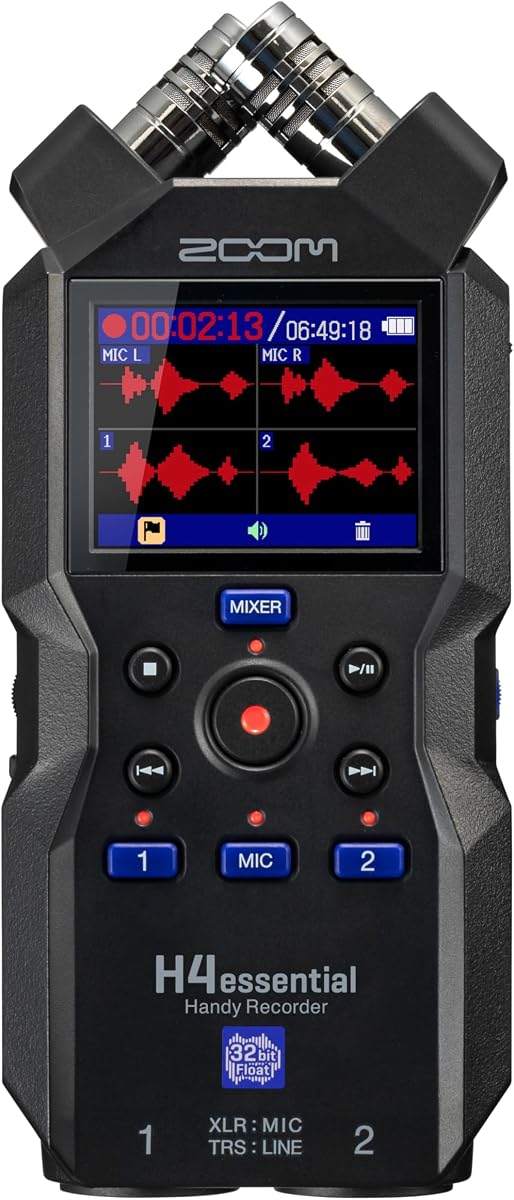
The Zoom H4 Essential is designed for creators who need reliable multitrack recording. It allows you to record interviews and music with clear sound that stands out in content.
We may earn a commission when you buy through this link, at no additional cost to you.
Its spoken menu guidance makes it easier for visually impaired users to navigate the settings efficiently. You can connect via USB-C to stream audio to your computer for live broadcasts.
Saving directly to an SD card ensures you have a local backup of your files. This dual recording method reduces the risk of losing data during critical sessions.
Journalists who need a straightforward 4-track system will find this device appealing. It balances ease of use with the features needed for professional audio work.
Spoken menu voice helps users navigate settings without needing to read small screen text.
Recording to SD and USB simultaneously ensures you have a backup if one connection fails.
We may earn a commission when you buy through this link, at no additional cost to you.
The Pocket AI Voice Recorder combines hardware with artificial intelligence to streamline note-taking. It transcribes and summarizes meetings instantly which saves hours of manual work for journalists.
We may earn a commission when you buy through this link, at no additional cost to you.
MagSafe compatibility allows you to attach it to your phone for hands-free recording during interviews. This convenience ensures you focus on the conversation instead of holding a device.
Smart insights help you extract key action items from long conversations. While it relies on cloud services for full functionality the convenience is unmatched for busy professionals.
If you need to transcribe and organize interviews quickly this tool is a strong candidate. It transforms raw audio into actionable text to boost your productivity.
Recordings are converted to text automatically saving you time on manual transcription.
Key points and action items are highlighted so you can review what matters instantly.
We may earn a commission when you buy through this link, at no additional cost to you.
The Zoom H1 Essential is a compact solution for capturing clear stereo audio. Its small size makes it easy to carry in a pocket for spontaneous field recordings.
We may earn a commission when you buy through this link, at no additional cost to you.
You can use it as a USB microphone for calls and livestreams ensuring better sound than a built-in device mic. Natural stereo sound helps voices and ambient noise come through clearly.
While it lacks advanced multitrack features it handles standard interviews and soundscapes well. It is a practical tool for general reporting and content creation tasks.
Journalists needing a lightweight backup device will find this recorder useful. It offers solid performance without adding bulk to your gear bag.
Connect to a computer to use it as a high-quality microphone for calls and streams.
The small design lets you carry it everywhere without taking up valuable space.
We may earn a commission when you buy through this link, at no additional cost to you.
The Zoom H2 Essential features three microphones with nine selectable recording patterns. This allows you to tailor the sound capture to any environment from a narrow interview to a wide field.
We may earn a commission when you buy through this link, at no additional cost to you.
Its 32-bit float recording prevents clipping just like the higher-end TASCAM model. You can set the gain once and forget it knowing the audio will remain clean regardless of volume.
Bluetooth sync allows you to wirelessly align multiple units for coordinated recordings. This feature is rare in this price range and adds value for multi-camera setups.
Journalists needing flexible sound patterns will appreciate this recorder. It combines advanced audio tech with ease of use for consistent field results.
Select from nine patterns to fit any acoustic environment and recording scenario.
32-bit float technology ensures you never distort audio even when levels spike unexpectedly.
We may earn a commission when you buy through this link, at no additional cost to you.
Choosing the right recorder involves balancing audio quality with usability. This guide outlines key factors to consider before making a purchase.
High-quality audio is essential for clear interviews. Look for 32-bit float recording to avoid clipping when volumes fluctuate rapidly during field work.
Prioritize models with 32-bit float or at least 24-bit depth to ensure professional sound quality.
Built-in microphones vary from omnidirectional to stereo. Ensure the mic type suits your environment like wide soundscapes or focused voice capture.
Check if the recorder supports external microphones if you need directional sound in noisy areas.
USB-C connectivity allows the device to double as an audio interface for computers. This versatility reduces the need for extra gear during live broadcasts.
Choose a model with USB streaming support for flexible remote work options.
Journalists often record long interviews without immediate access to computers. Devices with large internal memory like 64GB prevent storage interruptions.
Ensure the recorder supports SD cards or has ample built-in storage for extended sessions.
Field work can last hours. A battery life of over 10 hours ensures you do not miss critical moments due to power loss.
Look for long battery performance or replaceable batteries to keep recording all day.
Portability and ruggedness are key for journalists traveling to remote locations. A durable build prevents damage during transport or rough handling.
Select a recorder with a sturdy design to withstand daily use in varied environments.
Quick access to recording features is vital for capturing breaking news. One-click recording and simple menus reduce setup time significantly.
Opt for interfaces that are intuitive to minimize technical delays during critical moments.
Extras like voice activation or AI transcription can streamline your workflow. These tools save time during post-processing and file management.
Consider whether software integration like AI summaries adds value to your specific reporting style.
Always test the recorder settings before the interview starts. Check levels and microphone placement to avoid unexpected issues during the conversation.
Store your recordings securely by transferring them to a cloud or hard drive regularly. This ensures your data is safe from device failure or loss.
Keep the device clean and dry to extend its lifespan. Use a soft cloth to wipe the body and avoid exposing the microphone to dust or moisture.
A 32-bit float format is ideal for journalists. It prevents clipping when audio levels spike unexpectedly allowing you to adjust volume later without distortion.
At least 64GB is recommended for long shifts without computer access. This capacity can store hundreds of hours of audio ensuring you never run out of space.
Yes many models feature USB-C connectivity that allows them to function as USB microphones. This is useful for livestreaming or remote calls without extra gear.
Built-in mics often suffice for close-range interviews. However external directional mics are better for noisy environments or capturing sound from a distance.
Battery life varies but look for models with over 10 hours of use. Some premium units offer up to 17 or 48 hours depending on the usage settings.
Most units allow basic file management like deleting or splitting audio. For detailed editing transfer the files to a computer with dedicated audio software.
Many devices have sturdy casings but avoid direct rain or extreme temperatures. Using a protective case adds an extra layer of safety for outdoor reporting.
Voice activation helps save battery and storage by recording only when sound is detected. It is useful for long unattended sessions or capturing sudden events.
We highlighted ten recorders that cater to different needs from budget-friendly options to high-end audio tools. The Zoom H5 offers versatility while the EVISTR provides great value for tight budgets.
Prioritize 32-bit float recording and long battery life to ensure reliability. A recorder that captures clear audio without interruption is invaluable in the field.
Check the latest availability and pricing before purchasing as details change frequently. The right tool will streamline your workflow and enhance the quality of your reporting.