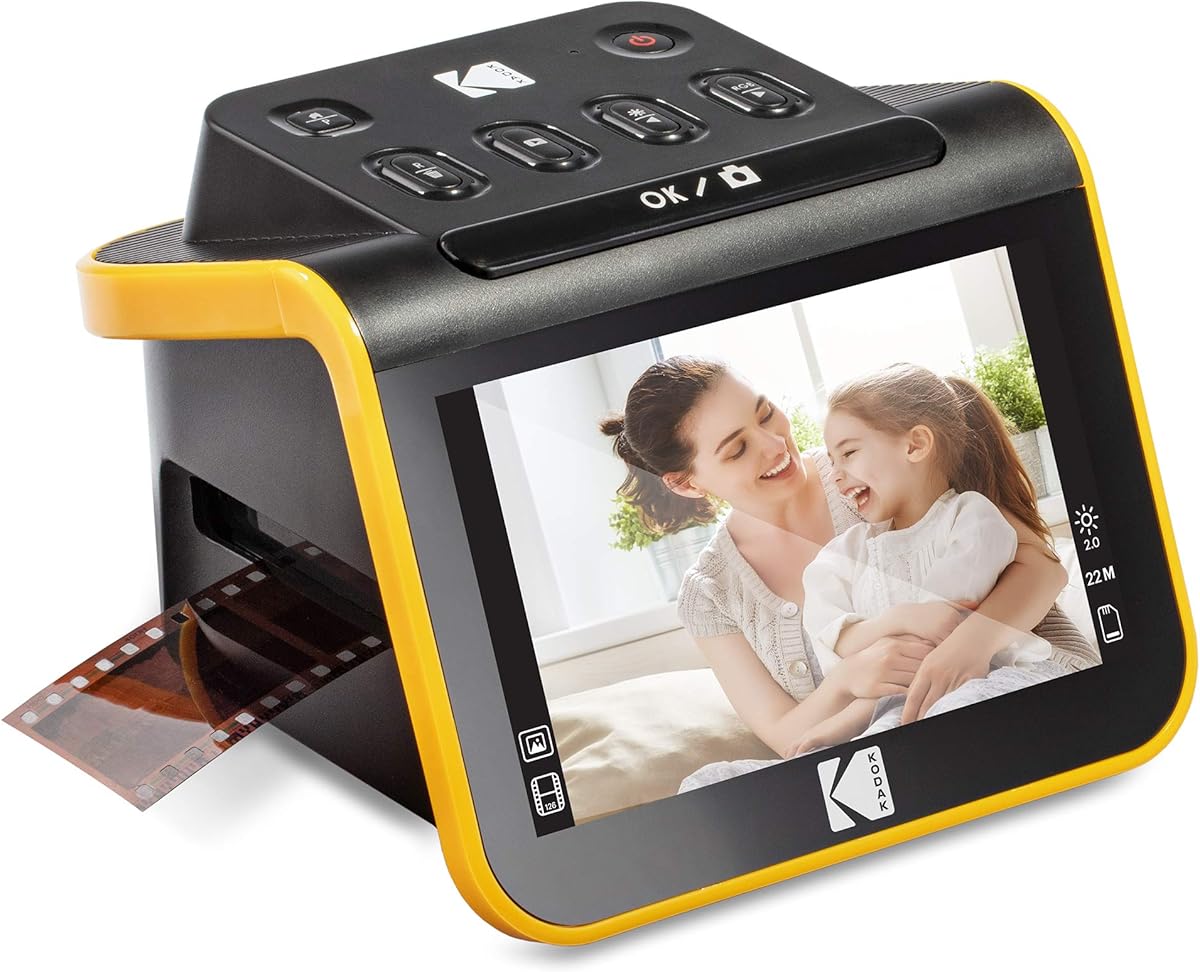
KODAK Slide N Scan Film & Slide Scanner
4.3Editor score
Built-in LCD screen for preview
Supports multiple film formats
SD card storage capability
This guide compares the top flatbed scanners for film and slides to help you digitize negatives, slides, and prints with high resolution and accurate color.
Preserving your physical memories requires the right tools to convert analog media into digital files. A quality scanner ensures your photos remain vibrant and accessible for future generations.
We evaluated ten leading flatbed scanners based on resolution, speed, software features, and ease of use. Our goal was to find options suitable for casual users and professionals alike.
Each pick below highlights key strengths and trade-offs to help you make an informed decision. Please note that product availability and pricing can change frequently over time.
4.3Editor score

4.0Editor score

4.4Editor score
The following table provides a side-by-side comparison of the top-rated flatbed scanners designed for digitizing film and slides. Use this to quickly identify which model fits your specific needs.


The Kodak Slide N Scan offers an accessible way to digitize old slides and negatives without needing a computer. With a 22MP sensor and a 5-inch LCD screen, it lets you preview and save images directly to an SD card. This standalone design makes it ideal for those who want a straightforward process.
We may earn a commission when you buy through this link, at no additional cost to you.
Its key strength lies in convenience and ease of use. The quick-loading tray allows for rapid processing of multiple slides, while the built-in display lets you verify scans before saving. The included adapters cover most common film formats, ensuring you can handle various types of old photos.
Trade-offs include limited resolution and fewer advanced features compared to professional models. You cannot adjust color profiles deeply or remove dust via software, so scans may require manual editing later. However, for casual archiving, these limitations are often acceptable given the low cost.
This scanner is best for hobbyists or families wanting to digitize memories quickly and affordably. If you need high-end archival quality, look elsewhere, but for sharing photos online or printing standard sizes, this device delivers solid results without complexity.
The device operates without a PC, making it plug-and-play for quick scanning sessions.
Save scans directly to an SD card for easy transfer to computers or phones.
We may earn a commission when you buy through this link, at no additional cost to you.
The Epson Perfection V800 is a robust scanner built for high-quality image reproduction. It boasts a 6400 dpi resolution and a dual lens system, allowing you to choose the best optics for different media types. This ensures exceptional clarity and detail across your scanned documents and films.
We may earn a commission when you buy through this link, at no additional cost to you.
Its remarkable tonal range, indicated by a 4.0 Dmax, means it captures deep blacks and subtle highlights effectively. This is crucial for film scanning where preserving shadow detail is vital. The scanner works with both Windows and Mac, providing flexibility for various workstation setups.
While powerful, the V800 comes at a higher cost and requires proper software configuration to reach its full potential. Users may find initial setup complex compared to simpler units. Despite this, the output quality justifies the effort for serious photographers or archivists.
Choose this model if you prioritize resolution and color fidelity over speed. It excels at producing images ready for large prints or professional use. For those needing a reliable workhorse for high-detail projects, the V800 remains a strong contender.
The 6400 dpi resolution ensures fine textures and grain are captured with high accuracy.
Dual lenses automatically select the best focus for different media sizes and types.
We may earn a commission when you buy through this link, at no additional cost to you.
The Epson Perfection V850 Pro represents the pinnacle of consumer flatbed scanning technology. With 6400 dpi resolution and a dedicated dual lens system, it delivers unparalleled sharpness and color accuracy. It is designed specifically for professional photographers who demand the highest fidelity from their scans.
We may earn a commission when you buy through this link, at no additional cost to you.
Its standout feature is the advanced Digital ICE technology, which removes dust and scratches without affecting film grain. This saves hours of post-processing time. The 4.0 Dmax ensures deep blacks and smooth gradations, critical for maintaining the integrity of negatives and slides.
The main trade-off is the significant investment required. It is larger and more complex than entry-level options. However, for professionals or serious enthusiasts, the time saved and quality gained make it a worthwhile expense for archival projects.
If you need scan-quality scans for prints or commercial use, this is the model to choose. It handles medium and small formats with equal ease. The included software suite provides the tools needed to maximize the hardware potential.
Advanced algorithms remove dust and scratches while preserving natural film grain.
Factory-calibrated sensors ensure colors match the original film accurately.
We may earn a commission when you buy through this link, at no additional cost to you.
The Epson Perfection V550 strikes a balance between performance and usability. It offers 6400 dpi resolution and includes a transparency unit for scanning slides and negatives directly. This makes it a versatile tool for handling both documents and film media effectively.
We may earn a commission when you buy through this link, at no additional cost to you.
Features like Digital ICE technology and Easy Photo Fix allow users to restore faded images and remove scratches automatically. The LED light source ensures fast scanning with no warm-up time. These conveniences make the workflow smoother for regular archiving tasks.
While a strong performer, the software interface can be slightly steep for beginners. Users may need to spend time learning settings to get the best results. However, once configured, it provides consistent and high-quality output for most home needs.
Recommend this for families or small businesses needing a reliable all-in-one scanner. It handles medium sizes well without breaking the bank. If you want a step up from budget models without paying premium prices, the V550 is an excellent choice.
Scans slides, negatives, and documents with the included transparency adapter.
Restores faded photos and removes dust with a single button press.
We may earn a commission when you buy through this link, at no additional cost to you.
The Epson Perfection V600 is widely considered a standard for home photo scanning. It supports 35mm and medium format film with a built-in transparency unit. The high resolution allows for enlargements up to 17×22 inches without significant loss of quality.
We may earn a commission when you buy through this link, at no additional cost to you.
Its flexibility stands out, as it handles negatives, slides, and regular photos with ease. The LED light source saves energy and warms up instantly. Digital ICE technology helps keep scans clean from dust and scratches automatically.
The main challenge is initial software configuration, which may require patience. Ensuring drivers are up to date is key for best performance. Despite this, the consistency of results makes it a trusted choice for many home users.
Choose the V600 for a reliable balance of quality and features. It is perfect for hobbyists needing to scan various media types. The included software provides enough tools for basic editing and restoration without extra costs.
Handles everything from standard prints to 35mm negatives and medium format.
Scans at up to 6400 dpi for detailed, high-quality digital files.
We may earn a commission when you buy through this link, at no additional cost to you.
The Epson Perfection V700 is designed for users who need professional-grade scanning quality. It uses a dual lens system to automatically select the best optics for the media at hand. This ensures sharp detail and clarity across all scanned images.
We may earn a commission when you buy through this link, at no additional cost to you.
Its 4.0 Dmax optical density ensures exceptional quality in shadow areas, vital for preserving negative details. The scanner supports medium format film in addition to 35mm, offering versatility for different projects. Results are consistent and reliable for high-demand tasks.
Trade-offs include a higher price point and the need for occasional calibration to maintain accuracy. Users should also be prepared for software setup time. However, for those valuing image fidelity, these requirements are minor hurdles.
Select the V700 if you need consistent, high-quality scans for professional work. It excels at handling difficult negatives. The automatic lens selection simplifies the process while maintaining top-tier output standards.
The scanner automatically switches lenses for the sharpest possible output.
Deep blacks and fine shadows are captured thanks to high Dmax ratings.
We may earn a commission when you buy through this link, at no additional cost to you.
The Epson Perfection 4870 PRO is a classic choice for professional scanning workflows. It offers 4800 x 9600 dpi optical resolution, delivering immense detail in every scan. This resolution makes it suitable for large prints and archival purposes.
We may earn a commission when you buy through this link, at no additional cost to you.
A key feature is the included SilverFast Ai 6.0 software, which provides advanced image processing and calibration tools. This software helps maximize the hardware potential, ensuring accurate colors and sharp details. The 3.8 Dmax also ensures deep shadow detail is retained.
While powerful, it uses older connectivity standards like Firewire, which may require adapters on modern computers. The price reflects its professional positioning. However, those who need precise control over scans will find the investment worthwhile.
Choose this scanner for high-end projects where detail is paramount. It remains a robust solution for photographers needing reliable color reproduction. The included software bundle adds significant value to the overall package.
Comprehensive tools for color management and advanced editing are included.
High dynamic range captures subtle variations in dark areas of the image.
We may earn a commission when you buy through this link, at no additional cost to you.
The Epson Expression 12000XL-PH excels at handling larger media sizes. With a scan bed up to 12×17 inches, it accommodates prints and documents that smaller scanners cannot. This makes it ideal for graphic arts or large photo restoration.
We may earn a commission when you buy through this link, at no additional cost to you.
Its color system combines fast LED warm-up with vivid color processing for bold output. The Easy Photo Fix tool allows one-touch restoration of faded images. This simplifies the process for users needing quick adjustments without advanced editing skills.
Resolution is lower than some other models, but acceptable for large prints. The scanner is physically larger, requiring significant desk space. Despite this, its capability to handle wide formats makes it a unique tool in this category.
Choose this if you frequently scan oversized photos or documents. It balances large media handling with user-friendly restoration tools. For graphic designers or photographers with large archives, this model provides necessary flexibility.
Scans up to 12×17 inches, accommodating oversized photos and documents.
MatrixCCD technology delivers bold, vibrant colors for striking output.
We may earn a commission when you buy through this link, at no additional cost to you.
The Epson Perfection V550 Photo offers professional image quality in a standard flatbed design. With 6400 dpi resolution, it captures sharp details essential for high-quality reproductions. The 48-bit color depth ensures rich, smooth color transitions.
We may earn a commission when you buy through this link, at no additional cost to you.
It is Energy Star certified, indicating efficient power usage during operation. The USB connectivity makes it compatible with most modern systems. This combination of efficiency and performance makes it suitable for professional workflows.
The price may be higher than entry-level options, reflecting its professional build. Setup requires some time to ensure optimal performance. However, for those needing reliable color accuracy, the investment is justified.
Select this model for professional image quality without large-format needs. It handles standard media well. The balance of resolution and efficiency makes it a solid workhorse for regular scanning tasks.
48-bit color provides richer, smoother tonal transitions in every scan.
Star certification ensures lower power consumption during long scanning sessions.
We may earn a commission when you buy through this link, at no additional cost to you.
The Epson Expression 10000XL specializes in wide-format scanning for graphic arts professionals. It supports A3 size originals up to 12.2×17.2 inches, making it suitable for large posters or detailed documents. This capability sets it apart from standard home scanners.
We may earn a commission when you buy through this link, at no additional cost to you.
Its 3.8 Dmax optical density ensures accurate tonal range for professional needs. The 48-bit color depth further enhances image quality for print-ready files. Firewire connectivity adds speed for large file transfers when available.
Resolution is lower than some competitors, and older connectivity may require adapters. These limitations are acceptable given the focus on wide format. However, users should consider compatibility before purchase.
Choose this scanner for wide-format professional needs. It handles large images effectively. While older, it remains a viable option for those prioritizing bed size over maximum resolution.
Accommodates A3 originals up to 12.2×17.2 inches for large projects.
Firewire and USB options offer flexibility for different workstation setups.
We may earn a commission when you buy through this link, at no additional cost to you.
Selecting the right scanner involves evaluating several technical and practical factors to ensure it meets your archiving needs.
Optical resolution determines the level of detail a scanner can capture. For film and slides, a minimum of 2400 dpi is recommended to preserve fine details. Higher resolutions like 6400 dpi allow for larger enlargements without pixelation.
Look for scanners with high optical resolution rather than interpolated values for best results.
A built-in transparency unit (TIU) allows scanning of slides and negatives directly on the glass. Without one, you cannot scan film. Ensure the TIU supports the film formats you own, such as 35mm or medium format.
Check that the unit includes holders for your specific slide and negative sizes.
Dynamic range, measured as Dmax, defines how well a scanner captures shadow details. A Dmax of 3.5 or higher is crucial for negatives where deep shadows contain important information. This ensures scans retain the original tonal gradation.
Higher Dmax values ensure better quality in challenging lighting or shadowy film areas.
Color depth indicates how many colors the scanner can distinguish. 48-bit color depth provides a smooth color spectrum and better archival quality. This is essential for preserving the original vibrancy of aged photos and slides.
Prioritize scanners with 48-bit depth for accurate color reproduction over time.
Included software should offer dust and scratch removal, such as Digital ICE. Restoration tools help bring faded images back to life easily. Compatibility with your operating system is also a key consideration for seamless workflow.
Ensure the software includes features like dust removal and easy image editing tools.
Modern scanners typically use USB 3.0 or USB-C for fast data transfer. Older models may rely on Firewire or USB 2.0, which may require adapters on newer computers. Faster connectivity reduces wait times during batch scanning sessions.
Confirm the ports match your computer to avoid extra costs for adapters or hubs.
Consider the workflow ease, such as whether the scanner needs a computer or works standalone. Some units feature touchscreens or buttons for direct scanning. Simple loading trays and adapters save time during bulk processing.
Opt for intuitive interfaces and clear instructions to reduce setup friction.
Scanners range from affordable entry-level to expensive professional units. Determine your required quality level first. Sometimes mid-range models offer the best balance of features without overpaying for unnecessary capabilities.
Choose a model that meets your needs without overspending on unused premium features.
Before scanning, clean your film and slides using a soft microfiber cloth to remove dust. Dust particles will be magnified in the digital scan, making them harder to remove later. For stubborn smudges, use a gentle air blower instead of wiping.
Load your media carefully using the provided holders to ensure proper alignment. Misaligned scans lead to wasted time cropping or rescaning. Double-check the orientation to match the film type settings in the software.
Store the scanner in a clean, dry environment to protect internal optics. Dust accumulation inside the machine can affect image quality over time. Regularly clean the exterior and glass surface to maintain optimal performance.
For standard 35mm slides, 2400 dpi is generally sufficient for high-quality digital files. If you plan to make large enlargements, opt for 4800 dpi or higher. Higher resolution captures more grain and detail but increases file size.
No, scanning slides or negatives requires a built-in transparency unit (TIU). Standard flatbed scanners lack the backlight needed to illuminate film. Always verify the scanner has a TIU before purchasing to ensure film support.
Dark or grainy scans often result from low dynamic range or improper settings. Adjust the contrast and exposure levels in the software. Using a scanner with higher Dmax improves shadow detail and reduces unwanted noise.
Use Digital ICE or similar dust removal technologies built into the software. These features scan for dust and automatically remove it without affecting grain. Manual cleaning is also possible using tools like Photoshop for fine details.
Yes, most modern scanners like Epson models support both Mac and Windows systems. Always check driver availability for your specific OS version before buying. This ensures seamless installation and full functionality on your computer.
For long-term preservation, save scans as TIFF files to avoid compression loss. JPEG is suitable for sharing online or standard printing. Using TIFF ensures the highest fidelity for archival purposes and future editing.
We explored ten top scanners ranging from budget-friendly units to professional workhorses. The Kodak Slide N Scan offers affordability, while the Epson Perfection V850 Pro delivers professional quality for demanding users.
Prioritize resolution and transparency support when choosing. If you handle many negatives, ensure dust removal is included. These features will save time and improve the longevity of your digital archives significantly.
Remember that prices and availability can change. Check current deals to get the best value for your needs. Investing in the right scanner ensures your precious memories are preserved clearly for generations.