
Mares Puck Pro EZ Wrist Underwater Scuba Dive Computer
4.8Editor score
High-contrast screen for clear visibility
Single-button interface for easy control
Bluetooth connectivity for log uploads
This guide compares the top dive computer for scuba diving options including budget and premium models to help you choose the right gear for safe underwater
Finding the right dive computer for scuba diving is essential for safety and enjoyment underwater. Modern units track depth, time, and decompression limits while offering features like wireless tank pressure and GPS navigation for smarter dives.
We evaluated ten top-rated models based on display clarity, battery life, algorithm accuracy, and usability. Each product was analyzed for its specific strengths in recreational, technical, or mixed-gas diving scenarios to ensure a comprehensive comparison.
Every pick highlights key specs, pros, cons, and ideal user profiles to simplify your decision. Note that prices and availability change frequently so verify current listings before purchasing to secure the best deal for your needs.
4.8Editor score

4.7Editor score

4.6Editor score
Explore our side-by-side comparison of ten leading dive computers for scuba diving to see how they stack up across critical features like display quality, algorithms, connectivity, and durability for various diving styles.

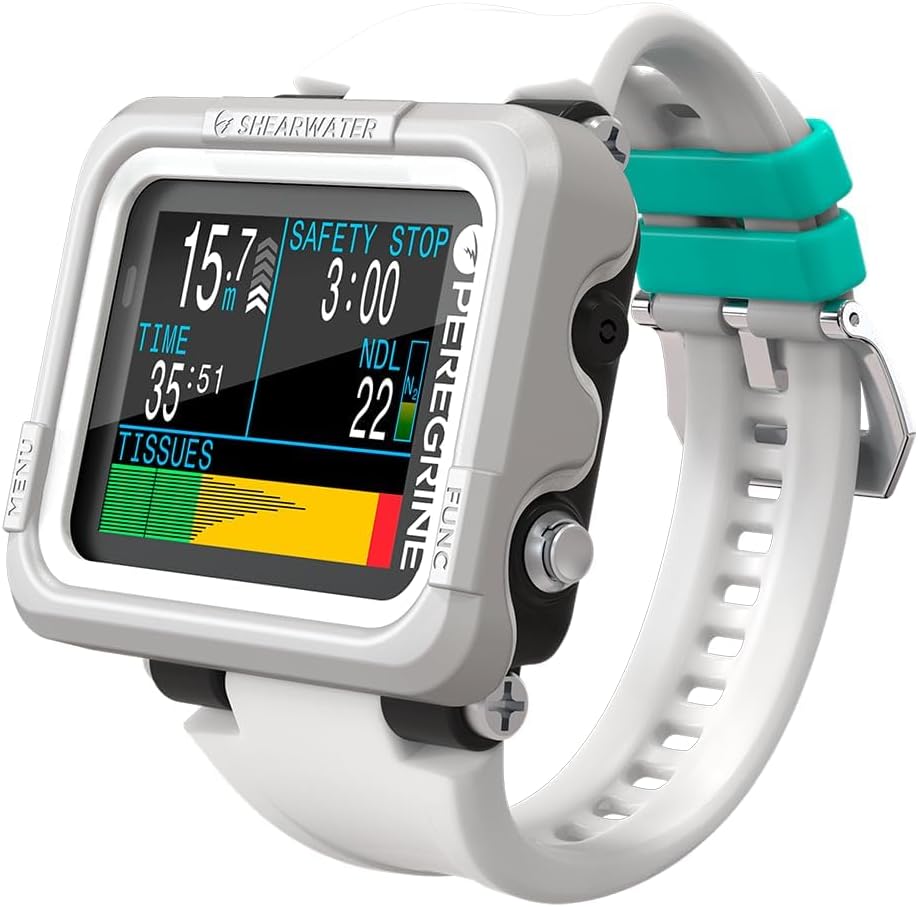


The Shearwater Research Peregrine Dive Computer earns top marks for its intuitive design and reliable performance across diving environments. With a strong 4.7 rating users praise its straightforward two-button interface that avoids clutter while underwater.
We may earn a commission when you buy through this link, at no additional cost to you.
Key strengths include robust battery life lasting up to 30 hours on medium brightness and a convenient USB wireless charging station included in the package. The state-aware menu structure ensures you access critical data quickly without fumbling through submenus.
While the price is higher than budget models the durability and ease of use justify the investment for serious divers. Some may find the limited color options less flashy but functionality remains the priority for this unit.
This computer is ideal for recreational and tech divers seeking a no-fuss device that delivers precise decompression data. We recommend it for those who value reliability and quick access to vital metrics during dives.
The two-button system allows you to scroll and select options quickly without removing gloves or losing focus on your dive environment.
Wireless charging reduces cable wear and ensures your device stays powered for extended dive trips without needing frequent replacements.
We may earn a commission when you buy through this link, at no additional cost to you.
The SUUNTO D5 Dive Computer brings modern tech features to scuba divers with a color display and wireless capabilities. Rated 4.0 it offers practical tools like wireless tank pressure monitoring and vibration alarms to keep you informed underwater.
We may earn a commission when you buy through this link, at no additional cost to you.
Its wireless mobile connection allows easy log transfers while the digital compass aids navigation. The all-black finish provides a sleek look that appeals to divers who value aesthetics alongside functionality in their gear.
Some users report occasional issues with wireless connectivity which may require troubleshooting before dives. Battery life details are less clear compared to competitors so checking usage patterns is wise before long trips.
This device suits divers who want to stay connected and track tank status without extra gauges. It is a solid choice for tech-savvy users who prioritize wireless features in their dive computer for scuba diving setup.
Monitoring tank pressure wirelessly frees your hands and reduces the need for additional analog gauges during your dive.
Vibration alarms ensure you notice critical warnings even in noisy environments where audible alerts might be missed.
We may earn a commission when you buy through this link, at no additional cost to you.
The Shearwater Research Peregrine Adventures Edition Dive Computer stands out with its vivid 2.2 inch LED LCD display and support for multiple diving modes. With a 4.7 rating it caters to divers needing flexibility across Air Nitrox and gauge settings.
We may earn a commission when you buy through this link, at no additional cost to you.
Using the Buhlmann ZHL-16C algorithm with gradient factors it ensures precise decompression calculations. The USB wireless charging station included adds convenience while the state-aware menu structure simplifies navigation even during complex dives.
The lack of lockout for dive plan deviations offers freedom but requires discipline from the diver to stay safe. While it shares features with the standard model the enhanced color saturation improves readability in varied lighting conditions underwater.
Ideal for technical and recreational divers this model balances safety and versatility. We recommend it for those who need multi-gas support and a bright display for their dive computer for scuba diving adventures.
Switching between Air Nitrox and gauge modes allows you to adapt to different dive profiles without changing devices.
The Buhlmann ZHL-16C algorithm provides industry-standard decompression data trusted by divers worldwide for accurate planning.
We may earn a commission when you buy through this link, at no additional cost to you.
The Garmin Descent™ X30 is a rugged dive computer with surface GPS capabilities designed for divers who explore remote sites. With a 4.7 rating it offers advanced metrics like NDL Aware depth insights to optimize bottom time safely.
We may earn a commission when you buy through this link, at no additional cost to you.
Its housing made from recycled ocean-bound plastics appeals to eco-conscious divers while the large screen allows customizable data fields. Flip-screen mode lets you orient buttons on top making navigation easier with gloves on.
The depth of features might overwhelm novice users but experienced divers will appreciate the real-time impact on no-decompression limits. Surface GPS navigation helps mark entry and exit points which is vital for drift dives.
This unit is perfect for adventurers needing robust navigation and surface tracking. We suggest it for those who want a premium dive computer for scuba diving that integrates environmental data seamlessly.
Using recycled plastics reduces environmental impact while maintaining the ruggedness needed for demanding underwater conditions.
Tailoring screens to show up to three data fields per page ensures you see only the info you need.
We may earn a commission when you buy through this link, at no additional cost to you.
The CRESSI Leonardo 2.0 Scuba Dive Watch delivers Italian craftsmanship in a compact form with Air Nitrox and gauge modes. Rated 4.2 it uses a single-button interface that simplifies navigation for divers seeking straightforward functionality.
We may earn a commission when you buy through this link, at no additional cost to you.
Quick critical alerts ensure you catch important warnings while seamless device integration pairs with iOS and Android for dive tracking. USB infrared transfer makes data management easy for tech-savvy users who log every dive.
While it lacks some advanced features found in premium models its simplicity is a strength for entry-level or casual divers. The watch style makes it comfortable for all-day wear beyond just underwater use.
This watch is ideal for divers who want a reliable multi-mode computer without complexity. We recommend it for beginners or those prioritizing ease of use in their dive computer for scuba diving collection.
One-button operation reduces learning curves and lets you focus on the dive rather than menu navigation.
Pairing with smartphones allows you to share dive stories quickly and maintain organized digital logs effortlessly.
We may earn a commission when you buy through this link, at no additional cost to you.
The Mares Puck Pro EZ Wrist Underwater Scuba Dive Computer offers exceptional value with a high-contrast screen and reliable decompression tracking. Rated 4.8 it supports Nitrox gas options and uses the proven Buhlmann ZH-L16C algorithm for safety.
We may earn a commission when you buy through this link, at no additional cost to you.
Its single-button interface makes navigation intuitive even underwater while Bluetooth connectivity allows fast log uploads to smart devices. The replaceable power source supports up to 100 dives ensuring longevity and readiness for your next exploration.
While it misses advanced features like GPS the simplicity and cost effectiveness make it a top pick for budget-conscious recreational divers. Visibility is prioritized so you can read depth and time limits clearly at a glance.
This unit is perfect for those entering the hobby or needing a trusted backup computer. We highly recommend it for anyone looking for the best dive computer for scuba diving without breaking the bank.
The high-contrast screen ensures all critical data remains legible even in dark or turbid underwater conditions.
Replaceable power sources reduce long-term costs compared to rechargeable units that may need full replacements eventually.
We may earn a commission when you buy through this link, at no additional cost to you.
The Garmin Descent™ X50i is a premium dive computer offering air integration and advanced connectivity features for technical divers. With a 4.6 rating its 3-inch vibrant color touchscreen displays critical data like ascent profiles clearly at a glance.
We may earn a commission when you buy through this link, at no additional cost to you.
Built with a sapphire lens and leakproof metal buttons it handles extreme depths up to 20 ATM. SubWave sonar technology adds peace of mind by enabling diver-to-diver messages and monitoring tank pressures for multiple team members.
While the cost is substantial the integrated backup dive light and DiveView maps provide comprehensive tools for complex underwater expeditions. The high-end construction ensures durability in the most demanding environments.
This model is ideal for professional or advanced divers seeking top-tier features. We recommend it for those who want the ultimate dive computer for scuba diving with full air integration.
SubWave sonar allows preset messages and pressure monitoring up to 30 meters enhancing team safety and coordination.
An integrated backup dive light ensures you have visibility even if primary lights fail during a dive.
We may earn a commission when you buy through this link, at no additional cost to you.
The Descent™ G1 combines rugged dive computing with smartwatch features in a slate gray watch-style design. Rated 4.6 it includes GPS/GLONASS/Galileo support to mark entry points and supports health monitoring like heart rate outside the water.
We may earn a commission when you buy through this link, at no additional cost to you.
Battery life offers 25 hours in dive mode and 21 days in smartwatch mode providing flexibility. Its compatibility with Connect IQ apps lets you personalize the device while storing up to 200 dives on your wrist.
The monochrome display limits data visibility compared to color units but offers better battery efficiency. Divers who want a dual-purpose device will appreciate the 24/7 wellness tracking alongside underwater metrics.
This watch suits active divers who want fitness tracking and dive logging in one device. We recommend it for those needing a versatile dive computer for scuba diving that works daily.
Use it as a smartwatch during the day and switch to dive mode for underwater tracking without carrying extra gear.
Support for multiple satellite systems ensures accurate surface marking even in remote locations with weak signals.
We may earn a commission when you buy through this link, at no additional cost to you.
The SUUNTO Nautic Dive Computer delivers performance and durability with a bright AMOLED display that stands out underwater. Rated 4.4 it offers 120 hours of dive time on a single charge supporting multiple dive days without worry.
We may earn a commission when you buy through this link, at no additional cost to you.
Integrated flashlight and wireless tank pressure features enhance safety and convenience. The compact leakproof construction with glove-optimized buttons ensures comfort throughout the dive even in cold water conditions.
While the price is higher than basic models the modern features justify the cost for frequent divers. Its sidemount compatibility and customizable views make it adaptable to various technical diving styles.
Ideal for dedicated divers seeking reliability and modern visuals this model is a strong contender. We suggest it for those who value display quality and battery endurance in their dive computer for scuba diving.
With up to 120 hours of dive time you can focus on multiple days of diving without frequent recharges.
The high-contrast AMOLED display ensures all data remains readable in bright sunlight or dark caverns.
We may earn a commission when you buy through this link, at no additional cost to you.
The Shearwater Perdix 3 Dive Computer brings high visibility with its ultra-bright AMOLED display and advanced monitoring features. While rating data is pending initial specs suggest 4x higher resolution and thousands of display color combinations for personalization.
We may earn a commission when you buy through this link, at no additional cost to you.
Its updated user interface and programmable quick-change settings make it adaptable to different dive styles. The 6x faster Bluetooth connectivity ensures quicker log downloads and firmware updates which is crucial for staying current with safety protocols.
The new Big layout offers giant fonts for easier viewing which is a significant accessibility upgrade. Security enhancements also protect your dive data more effectively than previous generations.
This model is ideal for divers who value customization and high-resolution displays. We recommend it for those seeking the latest tech in a dive computer for scuba diving for future-proofing their gear.
Thousands of color combinations allow you to personalize your display for optimal contrast in any water condition.
Faster Bluetooth means less time waiting to review dive data on your phone or computer after surfacing.
We may earn a commission when you buy through this link, at no additional cost to you.
Selecting the right dive computer involves balancing features with your specific diving style and budget. This guide outlines key factors to consider ensuring you find a model that meets your safety and performance needs.
The display is your primary interface so clarity is critical. Look for high-contrast screens with sufficient size for reading data at a glance. Color displays offer better data differentiation while monochrome units often have better battery life.
Prioritize displays that remain legible in varying lighting conditions from bright surface sun to deep underwater shadows.
Battery longevity determines how long you can dive without recharging. Units with 30+ hours of dive mode are ideal for multi-day trips. Check if the device uses replaceable batteries or rechargeable stations.
Wireless charging stations add convenience while replaceable cells offer backup options during extended travel periods.
The algorithm calculates no-decompression limits and ascent rates. Trusted algorithms like Buhlmann ZHL-16C with gradient factors offer precision for technical dives. Ensure the computer allows customization if you plan to dive with different gases.
Look for units that avoid unnecessary lockouts to give you flexibility in managing your dive profile.
Basic computers support air only while advanced models handle Nitrox and trimix. If you plan to upgrade your skills ensure the computer supports multi-gas modes. Some models also offer gauge modes for monitoring pressure without decompression logic.
Verify that the computer allows easy switching between modes to match your dive plan.
Modern computers offer Bluetooth or infrared for syncing dive logs to smartphones. This allows easy sharing and analysis of your dives over time. Check compatibility with iOS and Android apps for seamless integration.
Select a model with fast download speeds to avoid waiting long periods to review dive data.
Housing must withstand pressure and impacts. Stainless steel buttons and sapphire lenses add durability. Check depth ratings such as 100m or more to ensure safety limits match your planned dive depths.
Water-resistant and leakproof designs prevent damage and ensure longevity in harsh saltwater environments.
Extra features like GPS, compasses, or integrated lights add value. Consider if you need these for navigation or lighting underwater. However, prioritize core functions to avoid unnecessary complexity and cost.
Choose a model that includes only the tools you truly need to streamline your underwater experience.
Ease of use underwater is vital. Two-button interfaces often balance simplicity with functionality. Ensure buttons are glove-optimized and the menu structure is intuitive to prevent fumbling during dives.
A state-aware menu system can help you access critical data quickly without deep diving into submenus.
Before every dive ensure the computer is charged and configured with the correct gas mix. Double-check all settings like depth limits and alarm thresholds to match your dive plan and safety requirements.
After diving rinse the device with fresh water to remove salt and debris. Allow it to dry completely before storing in a cool dry place. Avoid leaving it in direct sunlight to prevent screen damage.
Regularly update firmware and calibrate sensors as recommended by the manufacturer. Maintain your dive logs by syncing data to your phone after each session. Proper maintenance extends the lifespan and accuracy of your device.
A dive computer tracks depth, time, and decompression limits to help you ascend safely. It reduces the risk of decompression sickness by monitoring nitrogen levels and providing real-time guidance. Divers also use it to track tank pressure and temperature for complete safety data.
Yes having a dive computer is highly recommended for all skill levels. Beginners benefit from visual cues that simplify safety stops and no-decompression limits. It adds a layer of safety that table-based calculations often lack for new divers.
Rinse with fresh water after every use to remove salt and sand. Store it in a dry area away from extreme temperatures. Check battery levels before dives and update firmware regularly to ensure optimal performance and safety.
Many modern computers support wireless tank pressure monitoring with compatible transmitters. This feature displays tank pressure on the screen so you can focus on diving without checking a separate analog gauge. It helps manage air supply more effectively.
Air mode assumes 21 oxygen while Nitrox mode adjusts for higher oxygen percentages to extend bottom time. Switching to Nitrox requires entering the correct mix to ensure accurate decompression calculations. This prevents oxygen toxicity and safer dive planning.
Yes dive computers are waterproof to rated depths usually 100 meters or more. They are built to handle water pressure during submerged dives without damage. Always check the depth rating to ensure it suits your dive depth requirements.
We reviewed the top ten dive computers for scuba diving to help you find the perfect match for your underwater adventures. From the reliable Shearwater Research Peregrine to the budget-friendly Mares Puck Pro EZ there is a model for every level.
Prioritize display readability battery life and gas support based on your dive plans. A reliable computer is an investment in safety that enhances your enjoyment by reducing planning stress and monitoring risks accurately.
Prices and features change often so verify current listings before purchasing. Check reviews and availability to secure the best deal for your chosen model. Dive safely and explore the depths with confidence using the right tool.