
UGREEN 2K@30Hz
4.5Editor score
2K30 output resolution
USB A and C ports
Driver-free operation
This expert guide compares the top capture cards for Dslr Camera to help you find the best model for streaming and recording with high quality and low latency.
Choosing the right capture card for your DSLR camera is essential for creators who demand professional video quality. These devices transform your camera into a high-definition webcam or recording source, ensuring your audience sees every detail with clarity and precision.
We evaluated ten leading capture cards based on resolution support, latency performance, compatibility with streaming software, and build quality. Our analysis focuses on real-world usability for live streaming, video conferencing, and content creation workflows across various operating systems.
Each pick highlights key strengths and potential limitations to help you match a device to your specific needs. Please note that product availability and pricing may change over time, so verify current details before making your final purchasing decision.
4.5Editor score
4.6Editor score

5.0Editor score
The following table provides a side-by-side comparison of all ten models evaluated in this guide to help you quickly identify which specifications match your streaming and recording requirements.




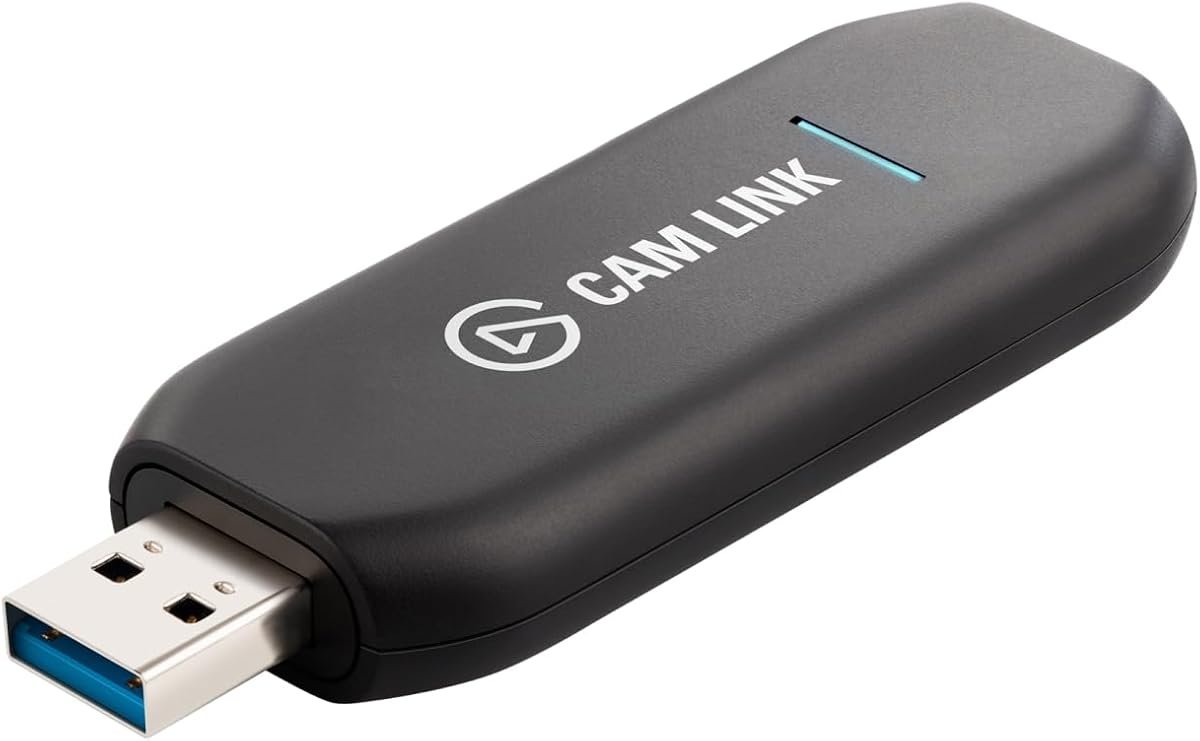
The Elgato Cam Link 4K stands as a top choice for creators who need reliable, high-quality video capture from their DSLR cameras. With a strong rating from users, it delivers consistent performance for live streaming and recording tasks.
We may earn a commission when you buy through this link, at no additional cost to you.
Its standout quality is the ability to capture video at 4K60 resolution when paired with a compatible camera. This ensures that your footage retains sharp detail and vibrant colors, which is critical for professional presentations or high-end content creation.
One trade-off is the cost compared to generic alternatives, but the build quality and reliability justify the investment. Additionally, it requires a USB 3.0 port to function at full capacity, which may limit use on older computers without such ports.
Content creators who prioritize image quality and stability should choose this model. It is particularly well-suited for educators, streamers, and professionals who need their camera to function seamlessly as a high-definition webcam or recording source.
The 4K capture capability ensures that every detail of your scene is preserved, making it ideal for presentations where visual clarity is paramount.
Compatible with major streaming and recording software, it integrates easily into existing workflows without requiring complex configuration or driver installation.
We may earn a commission when you buy through this link, at no additional cost to you.
The Guermok Video Capture Card offers a compelling option for those seeking 4K input capabilities without a high price tag. Users have rated it positively for its balance of performance and cost-effectiveness.
We may earn a commission when you buy through this link, at no additional cost to you.
This card supports 4K30 input, allowing you to ingest high-resolution video from your DSLR or other HDMI devices. The output maxes out at 2K30 or 1080P60, which is sufficient for most streaming platforms and conferencing needs.
A notable limitation is that it is intended for capture use only and does not support direct screen casting to a monitor or TV. You will need to use capture software to view the video on your computer screen.
For beginners or budget-conscious creators, this device provides a reliable entry point into DSLR streaming. It is ideal for online meetings, casual streaming, or recording content where absolute top-tier resolution is not the primary priority.
You get the ability to receive 4K signals which helps preserve quality during editing even if your live output is capped at lower resolutions.
The alloy casing helps with heat dissipation during extended use sessions, ensuring the device remains stable and cool under load.
We may earn a commission when you buy through this link, at no additional cost to you.
This Capture Card model is designed for versatility, working well with both DSLR cameras and gaming consoles. It has a solid user rating for its ease of use and functional features.
We may earn a commission when you buy through this link, at no additional cost to you.
The HDMI loop-out feature is particularly useful if you want to monitor your video on a separate display while capturing it to your computer. This setup is common in gaming and high-end streaming scenarios.
Additionally, it includes a microphone input port which allows you to add commentary or audio commentary directly into the capture stream. This reduces the need for separate audio interfaces in simpler setups.
Streamers and content creators who need a mix of video sources and audio control will find this card useful. It is a practical choice for those who want a single device to handle both camera feeds and microphone audio simultaneously.
The included microphone input allows for synchronized audio capture which simplifies post-production and live streaming workflows significantly.
With the loop-out port you can keep your main monitor clean while previewing the camera feed on a secondary screen without latency.
We may earn a commission when you buy through this link, at no additional cost to you.
The Mwin Cam Link 4K is recognized for its compact form factor and ability to deliver 4K video capture. Users appreciate its portability and ease of integration into various setups.
We may earn a commission when you buy through this link, at no additional cost to you.
It supports capturing video at 4K30 resolution, which offers excellent detail for static or slow-moving scenes. For higher frame rates like 1080p120, it also performs well which is useful for gaming or motion-heavy content.
Since it is plug and play you do not need to install additional drivers to start using it. This makes it convenient for travelers or those who frequently switch between different computers or environments.
For streamers who need a portable solution that does not compromise on resolution, this card is a strong candidate. It works well for remote presentations, outdoor streaming events, or any situation where you need to move your gear around.
Its small size allows it to fit easily into a laptop bag making it perfect for creators who work from different locations regularly.
You can choose between 4K for clarity or high frame rate for motion ensuring you have the right balance for your specific content needs.
We may earn a commission when you buy through this link, at no additional cost to you.
The UGREEN capture card offers excellent value for users who need reliable 2K output without paying for 4K capabilities they might not use. It has a strong user rating for its performance and build quality.
We may earn a commission when you buy through this link, at no additional cost to you.
It supports 4K input which means you can connect a high-resolution camera and downscale it to 2K or 1080P60 for your stream. This provides flexibility for post-production while keeping bandwidth requirements manageable.
One practical feature is the inclusion of both USB-A and USB-C ports. This ensures compatibility with older laptops and newer devices without the need for additional adapters or dongles.
Budget-conscious creators and small business users will find this card ideal for video conferencing or live streaming. It provides a professional look without the high cost of premium models making it a smart investment for regular use.
Having both port types means you can use it with almost any computer setup regardless of its age or available ports.
The USB 3.0 technology ensures data moves quickly which reduces latency and keeps your stream smooth even during peak usage.
We may earn a commission when you buy through this link, at no additional cost to you.
This model is highlighted for its reliability in precision work environments such as electronics repair or microscopy. Users rate it highly for its ability to capture fine details with clarity.
We may earn a commission when you buy through this link, at no additional cost to you.
It supports streaming and recording at 1080p60 or up to 2K50 resolution which allows viewers to see intricate details during demonstrations or educational content. This is crucial for teaching technical skills or showing small components.
While it can be used for standard streaming, its design often appeals to professionals who need consistent visual fidelity. The plug-and-play nature ensures that complex setups can be managed without technical hurdles.
Educators, technicians, and professionals in specialized fields will find this capture card highly beneficial. It bridges the gap between consumer cameras and the detailed requirements of precision inspection tasks.
The high resolution output ensures that tiny components or microscope slides are visible to the audience without loss of detail.
The stable performance reduces the risk of disconnections which is vital during long recording sessions or critical live demonstrations.
We may earn a commission when you buy through this link, at no additional cost to you.
The VIXLW Cam Link 4K is marketed for its ultra-low latency which is essential for real-time applications like gaming or interactive teaching. Users have noted its responsiveness in various scenarios.
We may earn a commission when you buy through this link, at no additional cost to you.
It supports capturing video at up to 4K60 resolution depending on the format. This ensures that you have high-quality footage for both live streaming and recording sessions without significant delay.
The plug-and-play capability means you can start using it immediately after connecting to your computer. This simplicity is appreciated by users who want to avoid complicated driver installations.
Gaming streamers and interactive presenters will find the low latency particularly useful. It helps ensure that your audio and video stay in sync with your actions which creates a better experience for your audience.
Low latency means your video reflects your movements almost instantly which is key for gaming or live demonstrations.
The ability to capture at 4K60 ensures that your content looks sharp and detailed across modern high-definition displays.
We may earn a commission when you buy through this link, at no additional cost to you.
The AVerMedia CamStream 4K stands out with a perfect user rating and top-tier specifications for professional creators. It is designed for those who demand the absolute best in video and audio synchronization.
We may earn a commission when you buy through this link, at no additional cost to you.
It supports 4K60 RGB24 capture which provides true-to-life colors and smooth motion. This level of quality is essential for professional streaming setups where image fidelity is non-negotiable.
Included accessories like the hot shoe mount add versatility for attaching microphones or lights directly to your camera setup. This convenience streamlines your workflow and keeps your gear organized during live events.
Professional broadcasters and high-end content creators should consider this model for their needs. It offers a premium experience that minimizes technical issues and maximizes the visual impact of your broadcasts.
RGB24 color format ensures that what you see on your monitor matches exactly what your audience sees online.
The included hot shoe mount allows for additional gear to be attached which keeps your setup compact and professional.
We may earn a commission when you buy through this link, at no additional cost to you.
This acer capture card provides a reliable solution for streamers who need loop-out functionality without a high cost. It has a solid rating for its ease of use and practical features.
We may earn a commission when you buy through this link, at no additional cost to you.
The HDMI loop-out allows you to monitor your video on a separate screen while capturing it. This is particularly useful for presenters or gamers who need to keep an eye on the feed while maintaining a clean main display.
YUY2 technology delivers richer colors compared to standard MJPEG compression ensuring your video looks lifelike and vibrant. This is a significant benefit for live streaming where image quality matters.
Streamers looking for a balance between performance and price will appreciate this card. It offers essential features like audio input and monitoring without compromising on core functionality.
Using YUY2 technology ensures that your colors are more accurate and less compressed which improves overall visual quality.
The loop-out port allows you to set up a dual monitor arrangement which is highly beneficial for managing your live stream.
We may earn a commission when you buy through this link, at no additional cost to you.
This capture card is designed for simplicity and portability making it a good choice for casual users. It offers a straightforward way to connect DSLR cameras to computers for streaming or recording.
We may earn a commission when you buy through this link, at no additional cost to you.
It supports 1080P60FPS output which provides smooth and clear video for most online platforms. While it does not output 4K, it handles high-quality HD content well for standard streaming needs.
The compact and lightweight build makes it easy to carry in a bag or laptop case. This is ideal for creators who travel frequently or need a quick setup for on-the-go recording sessions.
Beginners and those on a budget will find this device sufficient for their needs. It delivers a reliable experience without unnecessary complexity or high costs.
Its small size and light weight make it easy to transport ensuring you can record anywhere with minimal gear.
The plug and play nature means you can start recording immediately without spending time on drivers or configuration.
We may earn a commission when you buy through this link, at no additional cost to you.
Choosing the right capture card involves evaluating several factors to ensure your video and audio needs are met effectively.
Resolution determines the clarity of your video output. Look for cards that support at least 1080P60 for smooth HD video. If you need higher detail, ensure the card supports 4K input or output as required by your camera.
Prioritize resolution based on your streaming platform requirements to avoid unnecessary spending on features you may not use.
Low latency is critical for real-time applications like live streaming or video conferencing. High latency can cause audio and video desynchronization which disrupts viewer experience. Check product specifications for claims of ultra-low latency or minimal delay.
Test the latency if possible by observing sync between audio and video during a trial period.
The type of connection available on your computer matters. Most capture cards use USB 3.0 for high-speed data transfer. Ensure your system has a compatible port to maintain full performance and avoid bandwidth bottlenecks.
USB-C ports may require adapters on older systems so check for included cables or adaptors in the package.
Audio synchronization is as important as video. Some cards include microphone inputs or support high-fidelity audio pass-through. This allows for clean audio capture without needing separate audio hardware.
Select a card that meets your audio needs to simplify your setup and reduce equipment costs.
The card must work with your preferred streaming software such as OBS Studio or Zoom. Ensure drivers are available for your operating system whether Windows Mac or Linux to avoid installation issues.
Plug-and-play support is ideal for users who want to avoid complex driver configurations.
Capture cards generate heat during operation. Look for models with metal casings or cooling designs that dissipate heat effectively. This ensures longevity and stable performance during long recording sessions.
A durable build also protects the device from physical damage during transport and daily handling.
Some cards offer an HDMI loop-out port that allows you to monitor video on a second screen. This is useful for presenters or streamers who need to manage their stream while maintaining a clean main display.
Consider this feature if you need to share your screen simultaneously with your camera feed.
Balance your budget with the features you need. Higher-end models offer 4K and better stability but may not be necessary for basic streaming. Assess whether the extra cost aligns with your content goals.
Invest in a reliable device that matches your current needs to avoid future upgrades if your setup grows.
Begin by connecting your DSLR camera to the capture card using an HDMI cable. Ensure the camera is set to output video via HDMI and that the capture card is connected to your computer via USB 3.0 or USB-C for optimal speed.
Next, open your streaming or recording software such as OBS Studio or Zoom. Select the capture card as your video source to see the live feed from your camera. Adjust resolution and frame rate settings to match your platform's recommendations.
To maintain the device, keep it in a cool and dry environment when not in use. Avoid bending the cables excessively and store the card in a protective case to prevent physical damage during transport.
Most capture cards are plug-and-play and work with standard software like OBS or Zoom without extra drivers. You may need to select the card as your video source in the software settings.
Yes, capture cards work with laptops that have a compatible USB port. Ensure your laptop meets the minimum system requirements for running your streaming software alongside the capture card.
HDMI input receives video signals from devices like cameras while HDMI output sends video to monitors. Loop-out capture cards provide both allowing you to monitor and capture simultaneously.
Lag can be caused by slow USB ports or insufficient system resources. Ensure you use a USB 3.0 port and that your computer has enough CPU and RAM to handle video processing.
No, not all cards support 4K output. Check the specifications for 4K support before purchasing if you need high-resolution recording capabilities.
Audio issues often arise from incorrect input settings. Ensure your microphone or audio source is connected properly and selected in your streaming software.
In summary, the Elgato Cam Link 4K offers professional quality, while the UGREEN model provides excellent budget-friendly performance. The AVerMedia option stands out for those seeking premium features like 4K60 RGB capture.
When selecting a card, prioritize resolution and latency based on your specific use case. Whether you are streaming live or recording tutorials, the right device will enhance your workflow and video quality.
Remember that prices and availability can change so verify current details before purchasing. We hope this guide helps you find the perfect capture card to elevate your content creation journey.