
Donner EQ Pedal
4.4Editor score
10 Band Equalizer
True Bypass Circuit
Aluminium Alloy Build
This guide compares the top ten Bass Equalizer Pedal options for tone shaping, covering frequency bands, bypass types, and build quality for musicians.
Finding the right Bass Equalizer Pedal is essential for any musician seeking precise tone control. A good pedal offers clear frequency adjustments and reliable signal processing to shape your sound effectively.
We evaluated ten popular models based on build quality, frequency range, and user feedback. Each product was compared to highlight key features that matter most to bassists and guitarists alike.
Each pick shows specific strengths and ideal use cases for different playing styles. Prices and availability change frequently so please verify current details before making a purchase decision today.
4.4Editor score

4.6Editor score

4.6Editor score
This side-by-side comparison highlights the key specifications and features of each top rated Bass Equalizer Pedal to help you find the perfect match for your setup.




The BOSS GEB-7 stands out as a reliable choice for bassists needing precise tone shaping. With its full range response it handles five and six string basses effortlessly delivering clear sound across frequencies.
We may earn a commission when you buy through this link, at no additional cost to you.
This pedal offers seven distinct bands allowing you to sculpt your tone with accuracy. The level control knob serves as a boost or cut tool helping you adjust output volume without extra pedals.
While it lacks true bypass which may color tone slightly when off the build quality is robust. Most players find the trade-off acceptable given the consistent performance and durability Boss is known for.
If you want a proven pedal for live or studio use this model fits well. It is a solid investment for musicians seeking dependable EQ control without unnecessary complications in their signal chain.
The frequency response is wide enough to accommodate modern multi-string basses without losing low end punch.
The level knob lets you boost your signal for solos or cut it to sit better in a mix.
We may earn a commission when you buy through this link, at no additional cost to you.
The Donner EQ Pedal offers an impressive array of features for a very accessible price. It includes ten bands of equalization and true bypass to maintain tone integrity when the effect is off.
We may earn a commission when you buy through this link, at no additional cost to you.
Its aluminium alloy construction ensures durability while keeping the pedal light enough for any board. The sliders allow precise adjustments helping you shape your sound quickly during live performances or recording sessions.
One minor drawback is the lack of a included power adapter which you must buy separately. Despite this small inconvenience the overall performance and value make it a top contender for budget conscious musicians.
Choose this if you want professional sounding EQ without breaking the bank. It works well for both guitar and bass making it a versatile addition to your gear collection.
Ten bands provide granular control over your tone allowing you to target specific problem frequencies easily.
True bypass ensures no tone loss when the pedal is disengaged keeping your sound natural and clear.
We may earn a commission when you buy through this link, at no additional cost to you.
The MXR Ten Band EQ is a professional grade tool designed for serious tone sculpting. With ten frequency bands and eighteen volt operation it offers increased headroom for cleaner signal processing and greater dynamic range.
We may earn a commission when you buy through this link, at no additional cost to you.
Its dual outputs allow you to run separate signal chains which is ideal for complex setups or stereo effects. The LEDs remain visible even in bright sunlight making adjustments easier on dark stages or crowded gigs.
While it is larger and pricier than budget options the performance justifies the cost for pros. True bypass switching keeps your tone transparent when the pedal is off preserving your instrument's natural character.
If you need maximum flexibility and durability this pedal is a top choice. It excels in studio and live environments where precision and reliability are critical for high quality sound production.
Eighteen volt operation provides extra headroom reducing distortion and ensuring a clean signal path at high volumes.
Two outputs let you split your signal for parallel processing or separate amp runs without extra gear.
We may earn a commission when you buy through this link, at no additional cost to you.
The SONICAKE EQ Pedal delivers a classic analog experience for guitar and bass players. Its ten bands of control offer detailed tone shaping with a gain range of plus or minus fifteen decibels per band.
We may earn a commission when you buy through this link, at no additional cost to you.
True bypass ensures your signal stays clean when the pedal is off preserving your natural tone. The compact design fits easily into most pedalboards making it a practical choice for players with limited space.
Like many units in this category power is not included which requires a separate purchase. However the sound quality and build make up for this minor issue offering solid performance for the price.
Choose this if you prefer analog warmth and precision controls. It is a reliable option for shaping your sound without the complexity or expense of more advanced digital units.
The fully analog circuitry preserves the natural tone and warmth of your instrument without digital artifacts.
A wide boost and cut range allows you to make significant tone changes to suit different styles.
We may earn a commission when you buy through this link, at no additional cost to you.
The Rowin Bass Equalize is a small pedal offering five bands of control for bassists. It includes a master volume knob and true bypass to keep your tone clean and adjustable for various musical needs.
We may earn a commission when you buy through this link, at no additional cost to you.
Its sturdy aluminum construction ensures it can withstand travel and frequent use on stage. The frequency points cover key areas like low end and highs allowing you to tighten or brighten your sound effectively.
While five bands are fewer than ten they are often enough for general tone shaping. The lack of a included power supply is a minor inconvenience but does not detract from its overall value.
Pick this if you need a simple reliable EQ for your bass. It is a practical choice for players who want essential control without spending too much or taking up pedalboard space.
Its small size frees up space on your pedalboard while still offering essential tone shaping capabilities.
Five bands target the most critical frequencies for bass ensuring you can shape your sound without clutter.
We may earn a commission when you buy through this link, at no additional cost to you.
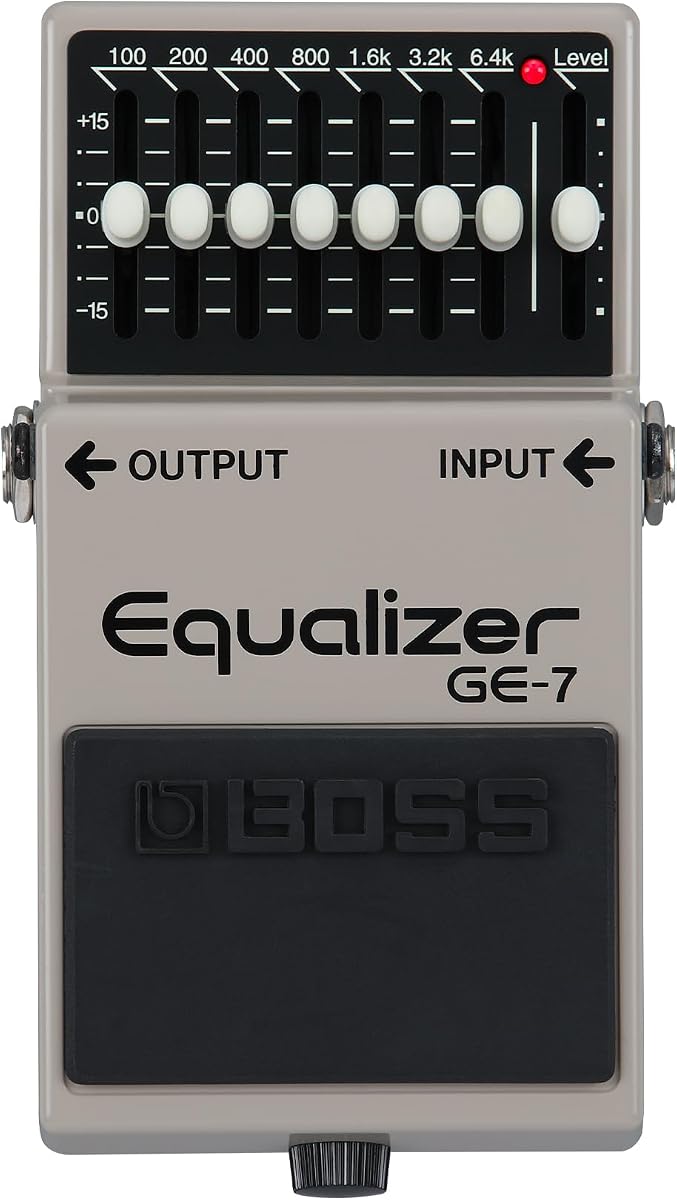
The BOSS GE-7 is designed specifically for guitarists but works well for bass players too. Its seven bands target guitar optimized frequencies allowing for precise tone shaping. The level slider helps you balance volume without adding extra gain.
We may earn a commission when you buy through this link, at no additional cost to you.
This pedal comes with a five year warranty which reflects Boss confidence in its durability. While it lacks true bypass many users find the tone coloration minimal and acceptable for most applications.
If you use a guitar or want a robust EQ for your board this is a strong choice. It is built to last and offers consistent performance over time in both live and studio settings.
Choose this if you value reliability and brand reputation. It is a classic pedal that has stood the test of time among musicians worldwide for its solid construction and sound quality.
The frequencies are tailored for guitars which can be useful for blending bass with other instruments.
A five year warranty shows strong support and durability making it a safe long term investment.
We may earn a commission when you buy through this link, at no additional cost to you.
The STRICH 10-Band EQ pedal is built from high quality aluminum alloy ensuring durability and artistic appeal. It features ten bands with a master band option giving you flexibility to shape your tone across many frequencies.
We may earn a commission when you buy through this link, at no additional cost to you.
True bypass design ensures a clean signal path without noise or signal loss. The compact size makes it easy to integrate into any pedalboard setup whether for home practice or professional live use.
Each band offers up to plus or minus twelve decibels of adjustment providing enough range for most needs. The lack of a included power supply is common but requires extra planning for your power setup.
Choose this if you want a durable and functional EQ pedal. It provides solid tone control and reliable performance for musicians looking to refine their sound without unnecessary complexity or high costs.
An additional master band allows overall adjustment to refine your final output tone effectively.
Aluminum alloy housing protects internal components ensuring the pedal lasts through touring and practice.
We may earn a commission when you buy through this link, at no additional cost to you.
This compact metal pedal offers five bands of control tailored for bass guitar applications. Its gain range reaches plus or minus eighteen decibels providing ample boost or cut for adjusting low end or slap brightness.
We may earn a commission when you buy through this link, at no additional cost to you.
True bypass switching keeps your tone clear when the pedal is off preventing unwanted noise or loss. The metal housing ensures it can handle the demands of live performances and regular practice sessions.
While ratings are lower than premium options it still provides functional tone shaping at a low price. The lack of a included power adapter is a standard consideration when purchasing affordable pedals like this one.
Choose this for rock metal funk or jazz where simple control is key. It is a practical tool for bassists who want reliable tone adjustment without investing in a expensive gear.
An eighteen decibel range allows for significant changes to your tone helping you stand out in mixes.
Designed for multiple genres it adapts to rock metal and funk styles with ease.
We may earn a commission when you buy through this link, at no additional cost to you.
This five band EQ pedal offers a simple approach to tone shaping with a master level slider. Its full metal shell provides sturdy construction while true bypass ensures your signal remains intact without noise.
We may earn a commission when you buy through this link, at no additional cost to you.
The frequency points are targeted for bass allowing you to adjust specific areas like low mids or highs. Indicator lights help you see the working state clearly which is useful in dim lighting situations.
While it lacks advanced features it performs its core function well. The price is attractive for those needing basic EQ without complex controls or digital options on their pedalboard.
Pick this for straightforward tone control. It is a no fuss solution for bassists who want a reliable metal pedal to adjust their sound without breaking the budget.
A dedicated master slider lets you adjust output levels alongside frequency shaping for better mix balance.
Clear indicator lights show when the pedal is active helping you stay aware during performances.
We may earn a commission when you buy through this link, at no additional cost to you.
The EROK EQ Pedal combines a ten band equalizer with a built-in boost circuit for versatile tone control. Its frequency range covers thirty one point two five hertz to sixteen kilohertz allowing precise shaping for many instruments.
We may earn a commission when you buy through this link, at no additional cost to you.
Independent footswitches let you use EQ boost or both together. This flexibility helps you cut through a mix during solos while maintaining your base tone for rhythm parts throughout a set.
True bypass and low noise circuitry ensure clean signal transmission. While it lacks a power adapter the solid aluminum housing and slider LEDs make it suitable for stage use and touring conditions.
Choose this if you need extra versatility like a boost without a separate pedal. It is a strong option for players who want detailed tone shaping and output flexibility in one compact unit.
Having a built-in boost lets you elevate solos without adding another pedal to your board.
Separate footswitches let you engage EQ or boost independently for flexible sound control.
We may earn a commission when you buy through this link, at no additional cost to you.
Selecting the right pedal involves considering frequency bands, build quality, and signal routing to match your musical needs.
The number of bands determines how much control you have over your tone. More bands like ten allow finer adjustments while fewer bands keep things simple.
Choose ten bands for detailed shaping or five or seven for essential tone control.
True bypass keeps your signal clean when the pedal is off. Buffered bypass maintains signal strength over long cable runs but may color tone slightly.
Select true bypass for transparent tone or buffered for longer signal chains.
Metal shells and sturdy knobs ensure durability for live performances. Check materials like aluminum or steel to avoid plastic parts that may break easily.
Prioritize full metal construction for reliability during frequent use.
Ensure the pedal covers your instrument's key frequencies. Bass pedals often target lower ranges while guitar models focus on mid to high frequencies.
Check center frequencies to match your instrument needs accurately.
Some pedals include a boost or master level for solos. This feature can reduce the need for a separate boost pedal on your board.
Look for boost options if you want volume control integrated into the EQ.
Most pedals need a nine volt power adapter which is often sold separately. Plan your power supply setup to avoid interruptions during use.
Verify if a power adapter is included or needed before buying.
A warranty shows manufacturer confidence in the product. Look for brands offering at least one year of coverage for repairs or replacements.
Choose brands with good support for peace of mind.
Compact pedals save space on your board. Ensure the pedal fits your layout without crowding other effects or cables.
Check dimensions to ensure it matches your pedalboard space needs.
Start by connecting your instrument to the pedal input and the output to your amp or next effect. Ensure all cables are secure to avoid signal loss or unwanted noise during use.
Adjust sliders one at a time to hear how each frequency affects your tone. Use subtle changes to avoid extreme boosts or cuts that might introduce noise or distortion.
Keep the pedal clean and dry to maintain longevity. Store it in a protective case when not in use to prevent damage to knobs or sliders over time.
Graphic EQ pedals have fixed frequency bands with sliders making them simpler to use. Parametric EQs allow you to adjust frequency and bandwidth but are more complex. Most bassists prefer graphic for straightforward tone shaping.
Yes many EQ pedals work with both instruments. However bass pedals may emphasize low frequencies while guitar pedals focus on mids and highs. Check the frequency range before using on guitar to ensure desired results.
True bypass preserves your original tone when the pedal is off while buffered bypass maintains signal strength for long cables. Choose true bypass for transparency or buffered if you have long cable runs to avoid tone loss.
Five bands provide essential control while ten allow detailed shaping. Most bassists find five sufficient for basic tone adjustment but ten are better if you need precise correction of specific frequencies.
Many EQ pedals have a master level or boost function that raises overall volume. If your model has a level slider you can use it to boost your signal for solos without needing a separate pedal.
Most pedals use a nine volt center negative adapter which is often sold separately. Ensure you have the correct power supply to avoid damage or inconsistent performance during use.
Our top picks offer a range of options from budget friendly to premium choices. The BOSS GEB-7 stands out for reliability while the Donner EQ provides great value for beginners.
Prioritize features like true bypass and build quality to ensure your pedal lasts. Consider how many bands you need and whether a boost function fits your performance style.
Prices change frequently so always check current listings before buying. Finding the right pedal will help you achieve the precise tone you want for your music.