
Dorhea 7 Pack 3.3V DC-DC Buck
4.2Editor score
Affordable 7 pack pricing
AMS1117 linear regulation
Simple 3 pin connection
This guide compares the top 5V to 3V voltage regulator options for stable power conversion across microcontrollers, sensors, and embedded electronics.
Finding the right power conversion solution is critical for modern electronics. A reliable 5V to 3V voltage regulator ensures your sensitive components receive steady power without risking damage from fluctuations.
We evaluated ten leading models based on efficiency, output stability, and build quality. Our analysis covers switching and linear technologies to help you match the right regulator to your specific project needs.
Each pick highlights key strengths and ideal use cases for various applications. Keep in mind that availability and pricing can change quickly so verify current stock before finalizing your component order today.
4.2Editor score

4.6Editor score
4.9Editor score
The following table provides a side by side comparison of all ten selected regulators to help you quickly identify which one fits your voltage and current requirements.


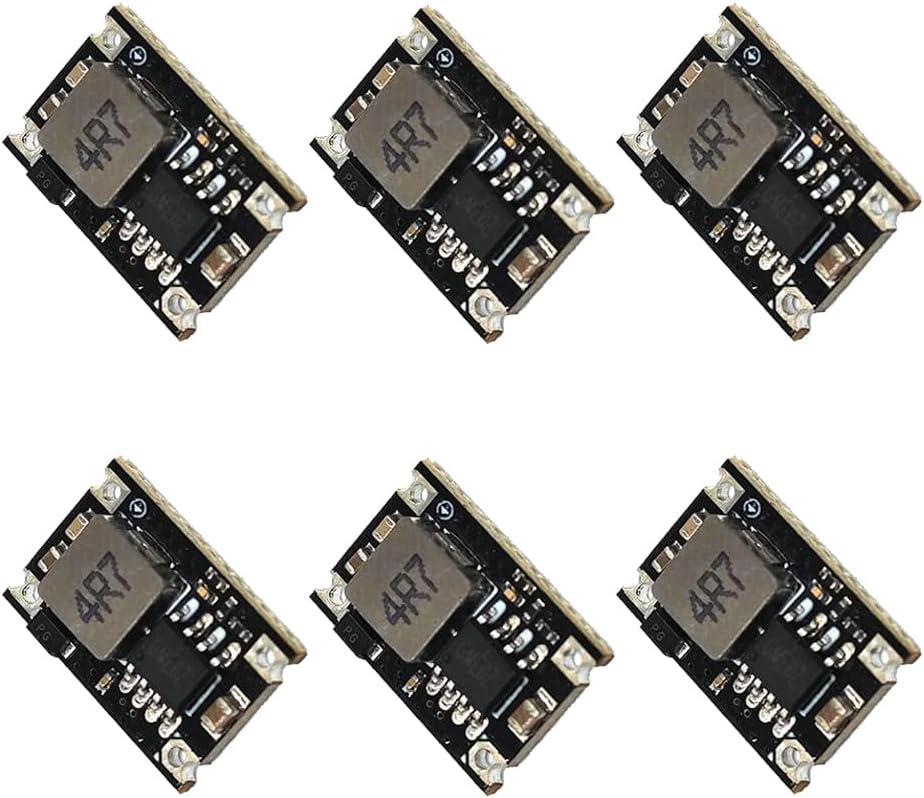
This DC to DC buck module is a top tier choice for converting 5V to 3.3V with impressive stability. It holds a high customer rating and is designed to deliver up to 1.8A consistently.
We may earn a commission when you buy through this link, at no additional cost to you.
The input range spans from 4.5V to 24V making it versatile for many power supplies. It maintains a low ripple of under 30mV which protects sensitive microcontrollers from power spikes.
While it performs well it does require external components like diodes when driving motors or servos. This is a standard trade off for switching regulators but adds a bit of complexity.
It is ideal for hobbyists needing reliable power for multiple projects. The five pack ensures you have spares for future builds without needing to reorder frequently.
Supports wide input voltage from 4.5V to 24V adapting to many power sources easily.
Its small size allows easy integration into tight PCB layouts and portable devices.
We may earn a commission when you buy through this link, at no additional cost to you.
This pack features the classic AMS1117 linear regulator known for simple reliable power conversion. It is rated at 4.1 stars and provides a fixed 3.3V output from inputs up to 12V.
We may earn a commission when you buy through this link, at no additional cost to you.
Linear regulators produce very little noise making them perfect for audio or sensor circuits. The three pin layout simplifies connections to development boards like Arduino and STM32.
Efficiency is lower than switching types which can cause heat at higher currents. It is best suited for applications where current draw stays below 800mA to avoid overheating.
Buyers get ten units which is great for prototyping multiple boards. This makes it an economical choice for makers working on several small electronics projects.
Input output and ground pins make wiring quick and error free for beginners.
Overheat shutdown protects the chip during overload conditions ensuring long term safety.
We may earn a commission when you buy through this link, at no additional cost to you.
This converter stands out for its ability to step up or step down voltage as needed. It has a perfect 5.0 rating and supports inputs from 1.8V up to 5V reliably.
We may earn a commission when you buy through this link, at no additional cost to you.
The bidirectional capability is essential for battery powered devices that drop below 3.3V. It ensures your microcontroller stays powered even when the battery is nearly drained.
Current is limited to 100mA which restricts it to low power tasks. You cannot use it for motors or high draw peripherals but it is fine for sensors.
It is best for wearable electronics or remote sensors needing steady power. The five pack allows you to equip multiple devices without extra shipping costs.
Can step up or down to maintain 3.3V from varying input voltages.
Perfect for single cell Li Ion batteries where input may drop below output.
We may earn a commission when you buy through this link, at no additional cost to you.
This module packs high performance into a tiny footprint that fits anywhere. It holds a perfect 5.0 rating and can deliver up to 1.8A for demanding projects.
We may earn a commission when you buy through this link, at no additional cost to you.
It accepts inputs up to 30V which is great for higher voltage power supplies. The output remains stable with less than 30mV ripple ensuring clean power.
Care is needed when connecting to motors due to potential noise and ripple. Adding capacitors or zener diodes helps protect your logic boards from spikes.
It is perfect for wearables or drones needing compact power solutions. The five pack gives you multiple units for various builds.
Tiny size allows mounting in very tight electronic enclosures easily.
Delivers 1.8A to support higher demand sensors and peripherals.
We may earn a commission when you buy through this link, at no additional cost to you.
This pack offers a budget friendly way to get multiple linear regulators for your projects. It maintains a 4.2 rating and uses the trusted AMS1117 chip for stable output.
We may earn a commission when you buy through this link, at no additional cost to you.
The three pin layout makes connections straightforward for beginners. It is ideal for Arduino and ESP32 boards that need a clean 3.3V supply.
As a linear regulator it wastes more energy as heat than switchers. Keep loads under 800mA to prevent overheating and ensure consistent performance.
It is best for electronics with steady low current draw. The seven pack ensures you have enough spares for multiple prototypes.
Seven units for a low price make it great for prototyping.
Provides low noise power essential for sensitive analog components.
We may earn a commission when you buy through this link, at no additional cost to you.
This set provides fifteen regulators which is perfect for large scale prototyping. It has a perfect 5.0 rating and supports inputs from 4.75V to 12V comfortably.
We may earn a commission when you buy through this link, at no additional cost to you.
It uses a low dropout design to save energy compared to older linear parts. This reduces heat buildup even when the input voltage is close to output.
It is not suitable for high current applications exceeding 800mA. For microcontrollers and sensors this limitation is rarely an issue in practice.
It is ideal for makers who need bulk components for classrooms. The fifteen piece count ensures plenty of units for multiple students or boards.
Fifteen pieces allow extensive prototyping without extra orders.
Minimizes heat generation by reducing voltage drop across the regulator.
We may earn a commission when you buy through this link, at no additional cost to you.
This buck board delivers high current in a compact design suitable for many tasks. It receives a 3.4 rating and supports inputs up to 30V with steady 3.3V output.
We may earn a commission when you buy through this link, at no additional cost to you.
It is designed to handle up to 1.8A which helps power multiple sensors. The board includes reverse polarity marks to prevent connection mistakes.
The lower rating suggests some quality variance between units. Always check your board carefully before applying power to ensure no shorts.
It is best for hobbyists needing high current from a small source. The five pack allows testing different configurations.
Visual guides help prevent incorrect connections and component damage.
Accepts from 5V to 30V for flexibility with different power sources.
We may earn a commission when you buy through this link, at no additional cost to you.
This converter offers a wide input range and high current for various projects. It is described as ultra compact and ready to connect to Arduino or Raspberry Pi.
We may earn a commission when you buy through this link, at no additional cost to you.
It supports inputs from 4.5V up to 30V which covers most battery and wall adapter options. The output ripple is low to keep logic circuits stable.
It lacks detailed review data so verify performance on arrival. Testing with a multimeter before installation is recommended.
It is ideal for IoT devices needing compact and efficient power. The five pack supports building multiple prototypes.
Works with various sources from 4.5V to 30V for flexibility.
Sits easily in tight spaces without blocking nearby components.
We may earn a commission when you buy through this link, at no additional cost to you.
This module focuses on converting 5V to 3.3V for low power electronics. It holds a 5.0 rating and features an automatic adjustable start limit for added safety.
We may earn a commission when you buy through this link, at no additional cost to you.
It works best with inputs around 4.5V to 7V. It is not designed for higher voltages so check your power supply before installation.
The 800mA limit is sufficient for most microcontrollers but not for motors. Ensure your load does not exceed this rating to avoid failure.
It is ideal for hobbyists using USB or 5V adapters. The ten pack gives plenty of units for testing.
Helps prevent damage by limiting current during startup phases.
Designed specifically for 5V sources like USB and Arduino outputs.
We may earn a commission when you buy through this link, at no additional cost to you.
This premium module offers top notch performance with a tiny size. It uses the MP1584EN chip and holds a high 4.9 rating for reliability and efficiency.
We may earn a commission when you buy through this link, at no additional cost to you.
It can drive up to 1.8A while maintaining a small profile. The output ripple stays under 30mV ensuring clean power for microcontrollers.
It is slightly more expensive but worth it for critical projects. Use external diodes for inductive loads to protect your circuit from spikes.
It is ideal for drones and compact electronics needing high current. The six pack is great for multiple high end prototypes.
Uses a high efficiency chip for better thermal performance.
One of the smallest sizes for high current buck conversion.
We may earn a commission when you buy through this link, at no additional cost to you.
Choosing the right regulator depends on current needs and size constraints.
Check that the regulator accepts your source voltage comfortably. Some switchers handle up to 30V while linear ones often cap at 12V.
Ensure your input voltage is higher than 3.3V but within the regulator limits to avoid instability.
Calculate total current draw of your load to select a regulator that can supply it. Most options here range from 800mA to 1.8A.
Choose one with headroom to prevent overheating under peak load conditions.
Switching regulators offer higher efficiency which means less waste heat. Linear types are simpler but can get warm at higher loads.
Use efficient models for battery devices and linear for low noise apps.
Consider footprint size and mounting method for your layout. Compact boards fit better in tight spaces.
Pick a package that matches your soldering skills and tools for easier install.
Lower ripple means cleaner power for sensitive components like ADCs. Good models offer ripple below 30mV.
Check ripple specs if using audio or precision sensors.
Look for built in thermal and current protection for safety. These prevent damage during short circuits or overheating.
Use external components for inductive loads if not included.
Buying in packs often reduces cost and gives spares. Compare total cost per unit across options.
Choose pack sizes that match your project quantity needs.
Switching units can introduce noise on lines while linear are quieter. Use filtering for sensitive lines.
Place regulators away from antennas if possible.
Identify input and output pins before connecting to avoid shorting. Verify polarity with a multimeter if unsure.
Add input capacitors to smooth source voltage and output caps to reduce ripple as recommended.
Secure the board firmly with standoffs or tape to prevent damage from vibration.
Linear regulators use a transistor to drop voltage producing low noise and simple wiring. Switching regulators use inductors to chop the output for higher efficiency but more noise.
Yes many accept wide input ranges suitable for batteries. Ensure the battery voltage stays within the input limits for stable operation.
Add diodes and capacitors across motors to suppress spikes. This prevents voltage surges from reaching sensitive logic boards.
The regulator will overheat or shut down if it has protection. Always check the max current rating to prevent damage.
Heat can result from inefficient conversion or high current draw. Add heat sinks or reduce load to keep temperatures safe.
Use capacitors close to input and output pins. Keep wiring short and separate power lines from signal traces.
Our top picks balance efficiency size and price for various needs.
Prioritize current capacity and protection features for critical projects.
Verify current stock and prices before ordering to ensure you get the right model.