
Canon EOS R50 Mirrorless Camera
4.5Editor score
24.2 Megapixel CMOS sensor
Dual Pixel CMOS AF II system
4K video at 30 fps
This guide compares the best camera for dental photography including intraoral and DSLR options to help you choose the right tool for clinical imaging and
Selecting the right camera for dental photography is essential for accurate diagnosis and patient communication. High-quality images allow practitioners to document conditions clearly and plan treatments effectively.
We have evaluated ten top-rated options ranging from dedicated intraoral cameras to versatile DSLR and mirrorless systems. Each product was assessed on image clarity, ease of use, and software compatibility.
Every pick highlights specific strengths for clinical environments. Please note that product availability and pricing may change over time so verify current details before purchasing your equipment.
4.5Editor score
4.4Editor score

4.5Editor score
The following table provides a side-by-side overview of the ten cameras evaluated in this guide to help you compare key specifications at a glance.


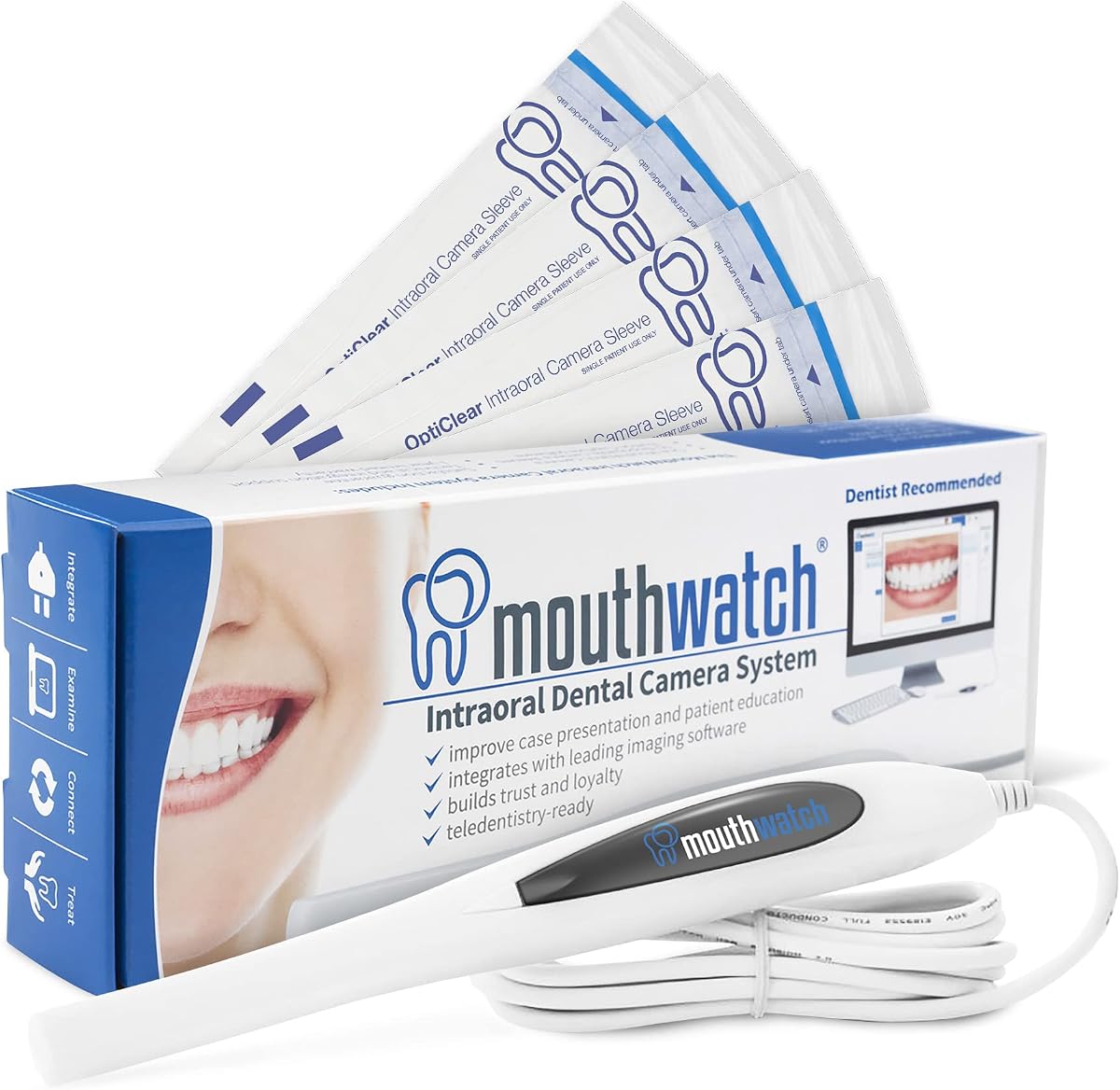
This intraoral camera stands out for its clarity and ease of use in dental settings. With a rating of 4.4 it delivers reliable performance for clinical documentation.
We may earn a commission when you buy through this link, at no additional cost to you.
Its standout quality is the ability to capture sharp images without lag. The fixed focal distance of 4mm to 45mm removes the need for manual focusing which speeds up patient interactions.
While the software is proprietary it supports over fifty major imaging suites. This broad compatibility ensures that integration into existing workflows is straightforward and efficient for most practices.
Practitioners looking for a lightweight and fast solution should consider this option. It simplifies the imaging process while maintaining high standards for case comprehension and acceptance.
The single button capture allows photos to be saved immediately to patient charts without needing a mouse or keyboard.
Well-illuminated images ensure patients can clearly see the need for treatment which improves case acceptance rates.
We may earn a commission when you buy through this link, at no additional cost to you.
The Canon EOS Rebel T7 is a versatile DSLR that can be adapted for dental photography with the right accessories. It offers strong image quality with a 24.1 Megapixel sensor.
We may earn a commission when you buy through this link, at no additional cost to you.
This camera captures vibrant colors and sharp details which are crucial for accurate dental imaging. The optical viewfinder provides a clear view for precise framing during procedures.
It lacks dedicated intraoral features so you may need to pair it with a macro lens for close-ups. However the built-in Wi-Fi allows for quick transfer of images to review devices.
Clinics looking for a multi-purpose camera for marketing and documentation may find this appealing. It balances professional quality with user-friendly features for daily use.
Built-in Wi-Fi and NFC technology enable easy transfer of photos to smartphones or tablets for immediate sharing.
The 24.1 Megapixel CMOS sensor ensures detailed and vibrant photos suitable for both clinical and promotional use.
We may earn a commission when you buy through this link, at no additional cost to you.
This bundle includes essential accessories like a memory card and bag making it ready for immediate use. The camera itself shares the robust specs of the T7 model with a 24.1MP sensor.
We may earn a commission when you buy through this link, at no additional cost to you.
The package ensures you have everything needed to start shooting right away. It produces true-to-life photos with sharp details which is vital for dental documentation needs.
While not designed exclusively for dentistry the high quality sensor can capture detailed imagery. Users will appreciate the long-lasting battery which supports extended photo sessions without interruption.
Practitioners who want an all-in-one solution for general photography and clinical imaging might prefer this bundle. It offers good value by including necessary items for a complete setup.
The bundle includes a memory card battery charger and shoulder bag which saves time on additional purchases.
Built-in Wi-Fi and NFC functions allow you to quickly transfer photos to smartphones or tablets for easy sharing.
We may earn a commission when you buy through this link, at no additional cost to you.
The Canon EOS R50 offers top-tier image quality with a 24.2 Megapixel sensor and advanced processing. It is an excellent choice for those who need high fidelity images for complex cases.
We may earn a commission when you buy through this link, at no additional cost to you.
Its Dual Pixel CMOS AF II covers 100% of the area ensuring precise focus even in tight spaces. This feature is beneficial for capturing clear images of dental structures quickly.
While it is a premium option it delivers superior results that justify the investment. The ability to shoot both high-quality stills and video makes it versatile for various clinic needs.
Dental professionals focused on the highest visual standards will appreciate this system. It combines cutting-edge technology with a user-friendly interface for seamless operation.
The Dual Pixel CMOS AF II covers up to 100% of the area for accurate tracking in complex shots.
Support for 4K video recording allows clinics to create educational content alongside clinical documentation.
We may earn a commission when you buy through this link, at no additional cost to you.
The Sony ZV-1 is designed for creators but offers features that can be adapted for dental documentation. It includes a powerful ZEISS lens for sharp image capture.
We may earn a commission when you buy through this link, at no additional cost to you.
Its product showcase mode automatically switches focus to the subject which is useful for highlighting dental details. This feature simplifies the process of getting clear close-up shots.
While the sensor is smaller than DSLRs it still delivers vibrant and professional-grade results. The compact design makes it easy to handle during procedures without fatigue.
Clinics aiming to produce high-quality educational video content will find this camera suitable. It balances portability with powerful image processing for consistent results.
This feature automatically switches focus to the subject closest to the camera which is ideal for dental close-ups.
Weighing under 300 grams the camera is easy to handle and transport for various imaging needs.
We may earn a commission when you buy through this link, at no additional cost to you.
This camera offers a high specification count with an 88MP sensor and dual lenses. It provides a range of modes that can be useful for varied imaging tasks.
We may earn a commission when you buy through this link, at no additional cost to you.
The large touchscreen makes it easy to frame and focus shots quickly. It supports WiFi transfer which allows for instant sharing of captured images with other devices.
While it is not specialized for dental use it offers high resolution stills. The 16X digital zoom can help capture details from a distance though quality may vary compared to dedicated lenses.
Practitioners looking for a versatile camera for general use and documentation may find this appealing. It provides many features at an accessible price point for small clinics.
The 88MP high-resolution sensor captures every detail in stunning clarity for precise documentation.
The 3.2-inch IPS touchscreen allows intuitive control for framing and focusing with simple taps.
We may earn a commission when you buy through this link, at no additional cost to you.
The DY-50 is an affordable intraoral camera that offers solid performance for basic imaging needs. It integrates well with many North American software solutions used in dental practices.
We may earn a commission when you buy through this link, at no additional cost to you.
Its ergonomic design ensures comfort during repeated use which is important for busy clinics. The auto focus lens helps capture clear images without manual adjustments saving time per patient.
While it has a lower resolution than premium models it still delivers crystal clear pictures. The included driver ensures the capture button works effectively within supported software environments.
Practitioners with budget constraints will find this a practical choice for digital imaging. It provides essential features for patient communication and treatment planning at a low cost.
The capture button driver allows seamless integration with popular software like Eaglesoft and Dexis.
The lightweight handset makes it easy to take pictures from various angles without hand fatigue.
We may earn a commission when you buy through this link, at no additional cost to you.
This intraoral camera offers a useful 4X zoom feature which helps in getting closer views of dental details. It provides HD resolution images that are clear enough for standard documentation.
We may earn a commission when you buy through this link, at no additional cost to you.
The camera works with many major software systems ensuring compatibility with existing clinic workflows. Its design allows for easy integration without the need for extra hardware like a foot pedal.
While the zoom is digital it can help magnify details for better visualization. This is beneficial for highlighting specific areas to patients during treatment explanations.
Practitioners who need a straightforward camera with zoom capability may find this suitable. It balances ease of use with functional imaging capabilities for daily clinical tasks.
The 4X zoom feature allows for magnified views of dental details to improve patient understanding.
It is designed to work with a wide range of imaging suites for seamless documentation workflows.
We may earn a commission when you buy through this link, at no additional cost to you.
This system combines a camera with a dedicated 17-inch touchscreen computer for efficient workflow. It allows for quick photo transfers using QR codes which simplifies sharing images during consultations.
We may earn a commission when you buy through this link, at no additional cost to you.
The integrated setup reduces the need for external hardware making it a self-contained solution. HD imaging ensures that images are clear enough for detailed dental analysis and presentations.
While the setup is plug-and-play it is less flexible than using a standalone camera with existing computers. This trade-off is acceptable for clinics wanting a dedicated imaging station without extra work.
Practitioners looking for a complete imaging system with modern transfer features may consider this option. It aims to streamline documentation with its all-in-one design and WiFi capabilities.
The 17-inch touchscreen allows you to switch between views for efficient documentation and case presentations.
WiFi QR functionality enables you to transfer patient photos to any device in seconds without cables.
We may earn a commission when you buy through this link, at no additional cost to you.
This lighting aid enhances the quality of photos taken with smartphones or other cameras. It provides adjustable brightness to ensure clear visibility of teeth details in various lighting conditions.
We may earn a commission when you buy through this link, at no additional cost to you.
The omni directional shooting support allows for flexible positioning to capture ideal views. This feature helps in achieving consistent results whether you are documenting treatment results or surface details.
While it is not a camera it is an essential accessory for improving imaging quality. The portable design makes it easy to transport and set up quickly in different clinical or home environments.
Practitioners seeking to improve photo quality with minimal cost will find this accessory useful. It complements existing setups by providing professional lighting for accurate dental photography.
The fully adjustable brightness from zero to 100 percent ensures optimal illumination for different needs.
Packed in a convenient zip case the unit is easy to transport and store when not in use.
We may earn a commission when you buy through this link, at no additional cost to you.
Choosing the right camera involves understanding your specific clinical needs and budget constraints. This section breaks down key factors to consider before making a purchase.
High resolution is critical for capturing fine details such as cracks or discoloration. Look for sensors that offer at least 12 megapixels for clear diagnostic imaging.
Prioritize cameras with strong sensors to ensure your images are sharp enough for detailed analysis.
Ensure the camera integrates with your existing practice management software. Many intraoral cameras come with drivers for popular suites like Dexis or Eaglesoft.
Check the compatibility list before buying to avoid integration issues with your current workflow.
Single button operation can save time during busy appointments. Cameras that require minimal manual focus allow you to focus on patient care rather than settings.
Choose models with intuitive controls to streamline the documentation process.
A lightweight camera reduces fatigue during frequent use. Ergonomic designs help in handling the device comfortably while capturing images from various angles.
Select a handheld unit that feels balanced to ensure consistent handling.
Wireless features like Wi-Fi or Bluetooth facilitate easy transfer of images. This helps in reviewing photos immediately on tablets or sharing them with lab technicians.
Consider models with modern connectivity to keep your workflow efficient and paperless.
Intraoral cameras range from budget-friendly options to premium systems. Determine how much you need specialized features versus general photography capabilities.
Invest in a system that balances cost with the features essential for your practice.
Some cameras work well with ring flashes or LED lighting kits to enhance clarity. Ensure your chosen system supports necessary accessories for optimal lighting conditions.
Verify that you can add lighting tools to get the best image quality possible.
Reliable customer support is important when integrating new hardware into a clinic. Look for vendors offering clear instructions and responsive service.
Choose a product with good support options to resolve any technical issues quickly.
Before using an intraoral camera, ensure the lens is clean and free of debris to avoid blurred images. Use protective sheaths for each patient to maintain hygiene standards.
Position the camera carefully to capture the area of interest without causing discomfort to the patient. Adjust brightness settings as needed to ensure details are visible in the final photo.
Store the camera in a dry place and clean it regularly according to the manufacturer's instructions. Proper maintenance extends the lifespan of the device and ensures consistent performance.
A dedicated intraoral camera is often the best choice for clinical imaging due to its ease of use and compatibility with dental software. However DSLR or mirrorless cameras can also be used with macro lenses for high-quality documentation.
Many dental cameras come with proprietary capture software but it is crucial to check if it integrates with your practice management system. Some models support over fifty major suites to ensure seamless data transfer.
Always use protective sheaths for intraoral cameras to maintain hygiene and protect the lens. Clean the device with approved wipes after each use to prevent buildup of residue or bacteria.
Yes but you will need a macro lens to get clear close-up images. Regular cameras lack the specific optics found in intraoral cameras which are designed for precise dental documentation.
Proper lighting ensures that details such as cracks or color variations are visible. Poor lighting can lead to inaccurate images which may affect diagnosis and patient communication.
Regular updates ensure that your camera remains compatible with the latest software versions. Check with the manufacturer for release notes and install updates to maintain peak performance and security.
With proper care and maintenance dental cameras can last several years. Durability depends on frequency of use and how well you follow cleaning and storage guidelines.
Wireless cameras offer greater flexibility but require a stable network connection. Wired models provide consistent connectivity and do not depend on battery life for transmission which can be critical in busy clinics.
We reviewed ten options ranging from dedicated intraoral systems to versatile DSLR models. The top picks provide reliable image quality and workflow efficiency for various clinic needs.
Prioritize software compatibility and ease of use to ensure your documentation process is smooth. A camera that integrates well with your existing tools will save time in the long run.
Check current prices and availability before purchasing as details may change over time. Select a system that fits your budget while meeting your clinical imaging standards.